
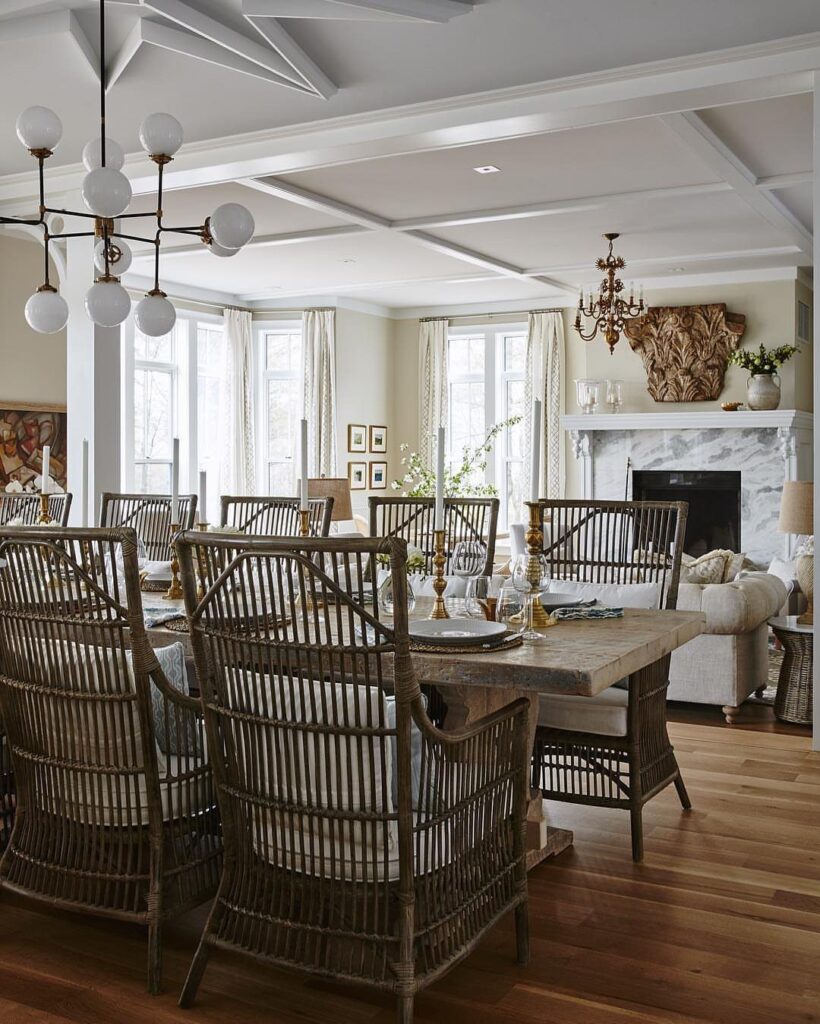
Dining room ideas for 2027 range from sculptural lighting and lacquered furniture that command attention to everyday touches like mismatched chairs and surfaces built to handle spills.
The choice depends on whether your room is formal space saved for gatherings or a daily-use table that sees homework and work calls as often as dinner.
Upholstered seats with vertical channel tufting support longer conversations, reclaimed wood tables bring texture without the upkeep of lacquered finishes, and built-in architectural details like fluted wall panels add structure that furniture alone can’t.
1. Sculptural Pendants
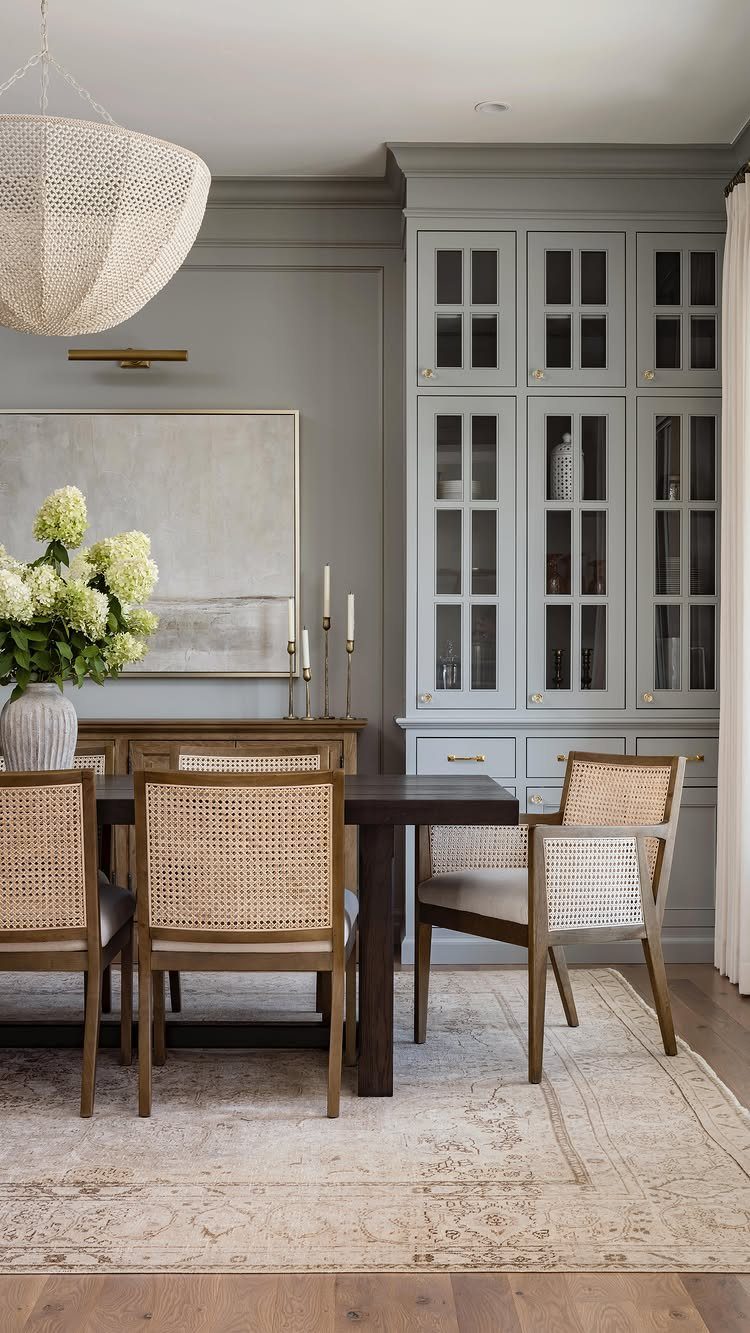
Sculptural pendants move dining room lighting from flat fixture to focal point. The woven texture softens the look, and the oversized scale anchors a table without blocking sightlines the way a heavy chandelier can.
White or natural fiber keeps the look quiet, and the weave adds dimension that changes with the light throughout the day.
2. Dining Chairs Prioritize Comfort and Character
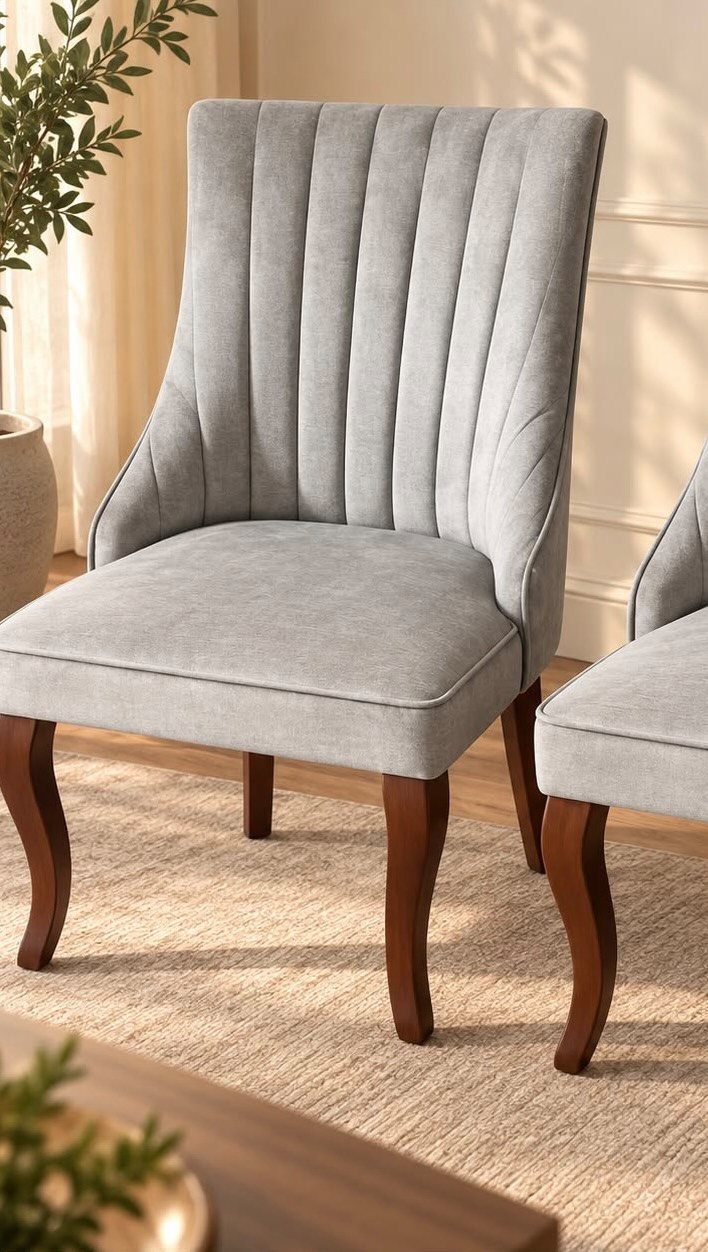
Chairs that feel good keep guests at the table longer. Upholstered seats and backs support longer conversations, and vertical channel tufting adds structure without looking fussy.
Grey works in most rooms, though darker fabrics hide wear better if the chairs get daily use. Look for a seat deep enough to sit back in and a backrest that holds you without pinning you upright.
3. Reclaimed Wood
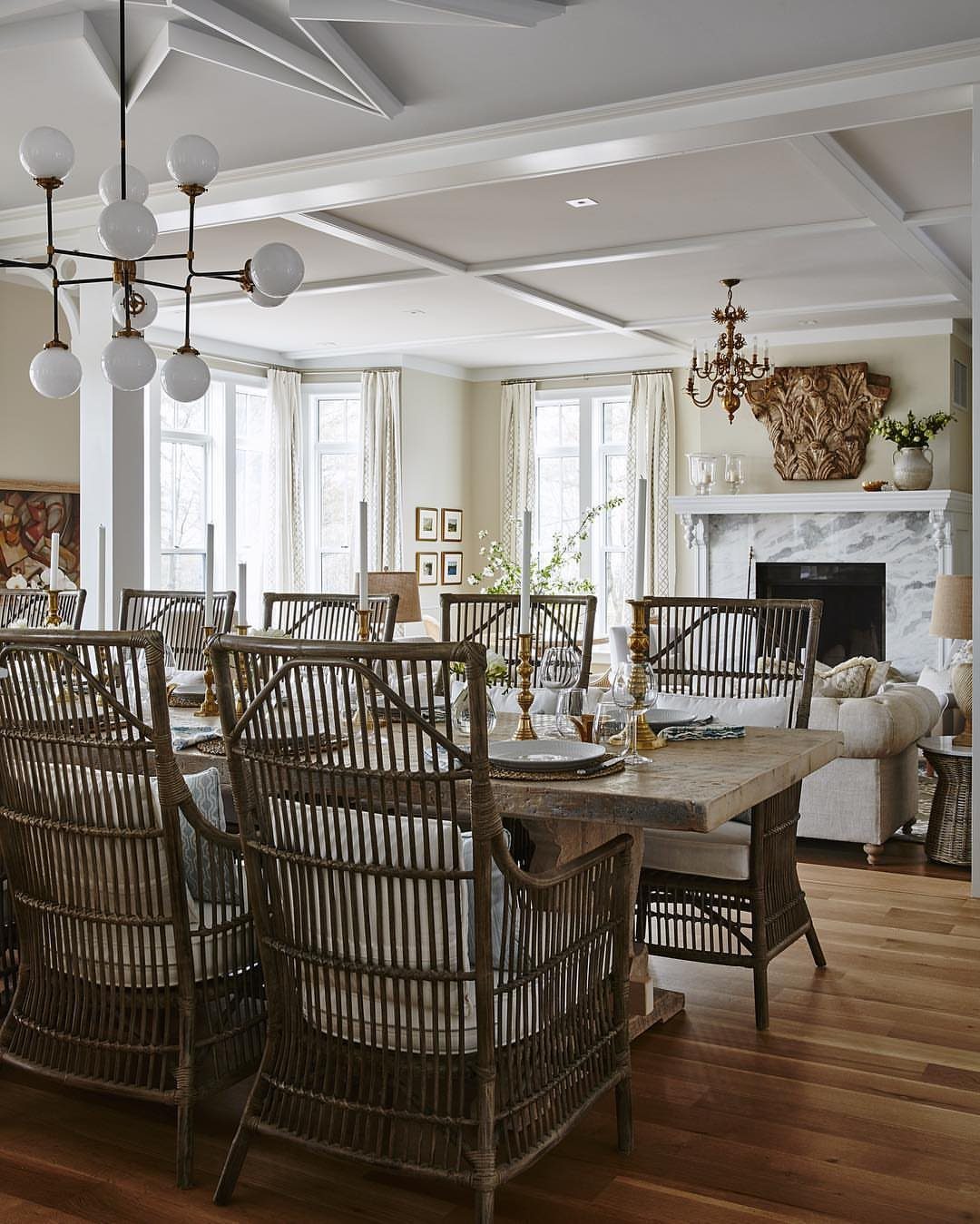
Reclaimed wood brings age and texture into a dining room without requiring vintage furniture.
The worn surface and mixed grain patterns make each table one of a kind, and the material holds up to daily use better than most new finishes.
Pair it with woven or upholstered chairs to soften the rustic edge. The wood reads warmer in bright rooms where natural light picks up the grain, and it needs less maintenance than lacquered or painted surfaces.
4. Large Art Pieces
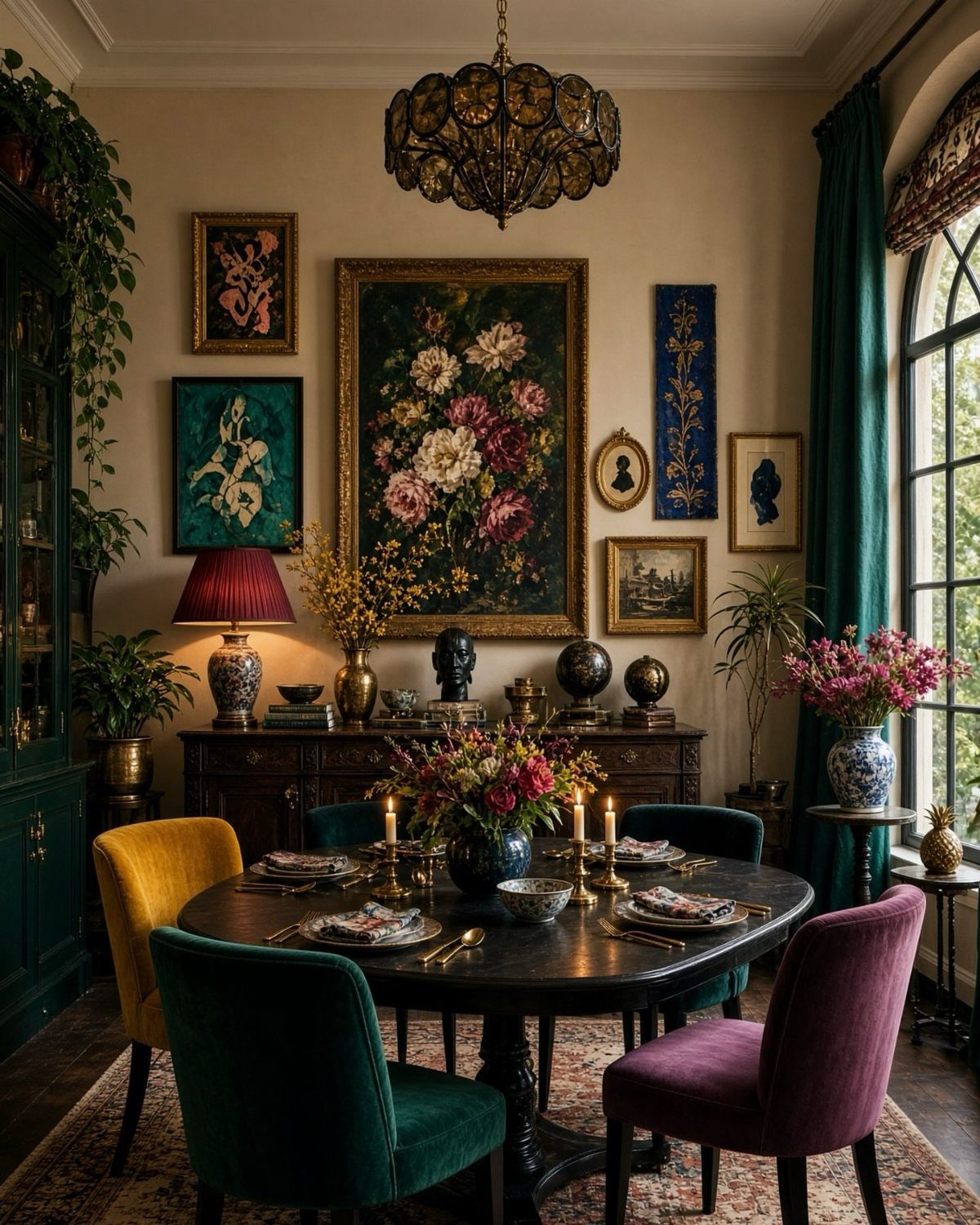
A large art piece commands attention and fills wall space faster than a gallery arrangement. One oversized canvas or framed print sets the tone for the room and gives the eye a single place to land.
Scale matters: the piece should span at least half the width of the table or sideboard below it.
Bold florals, abstracts and landscapes all work if the colors tie into the room. Hang it so the center lands at about eye level from a dining chair.
5. Lacquered Furniture
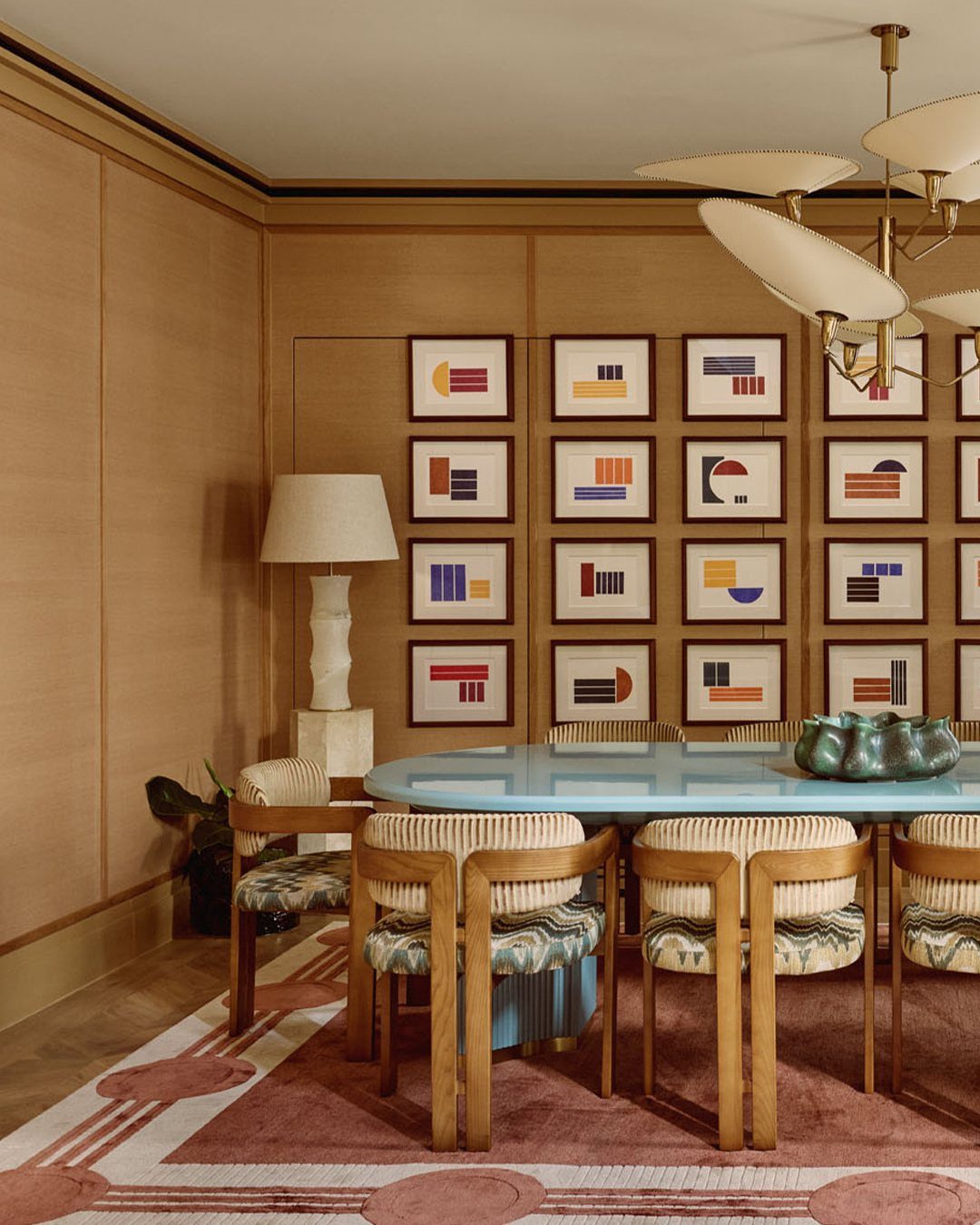
Lacquered furniture reflects light and adds color with a mirror-smooth finish. The high gloss gives even a simple table a polished, finished look, and bold shades like this light blue make the piece the room’s anchor.
The finish shows smudges and dust, so it suits formal dining rooms better than spaces that see daily use. The Tacchini seat visible here is strikingly sculptural and works as a statement chair when mixed with simpler seating.
6. The Return of the Everyday Dining Room
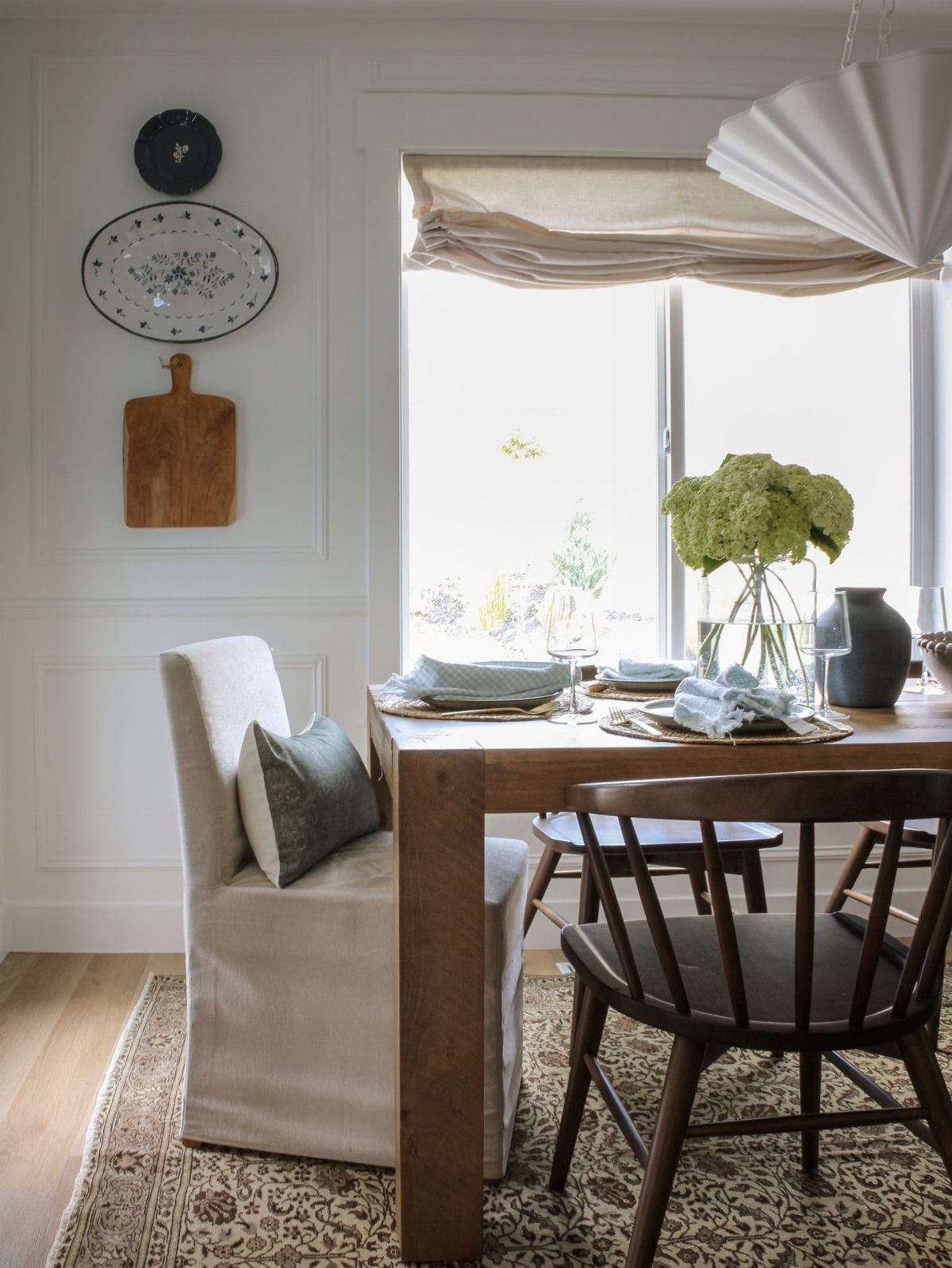
Dining rooms are coming back into daily rotation instead of sitting empty between holidays. The shift means setting up the space for regular meals, homework and work calls, not just formal dinners.
A mix of chair styles, a table that seats your household comfortably, and decor that feels lived-in rather than staged make the room usable.
Keep a runner or placemats on hand to protect the surface, and choose lighting that works for both daytime tasks and evening meals.
7. Dining Tables Take Center Stage
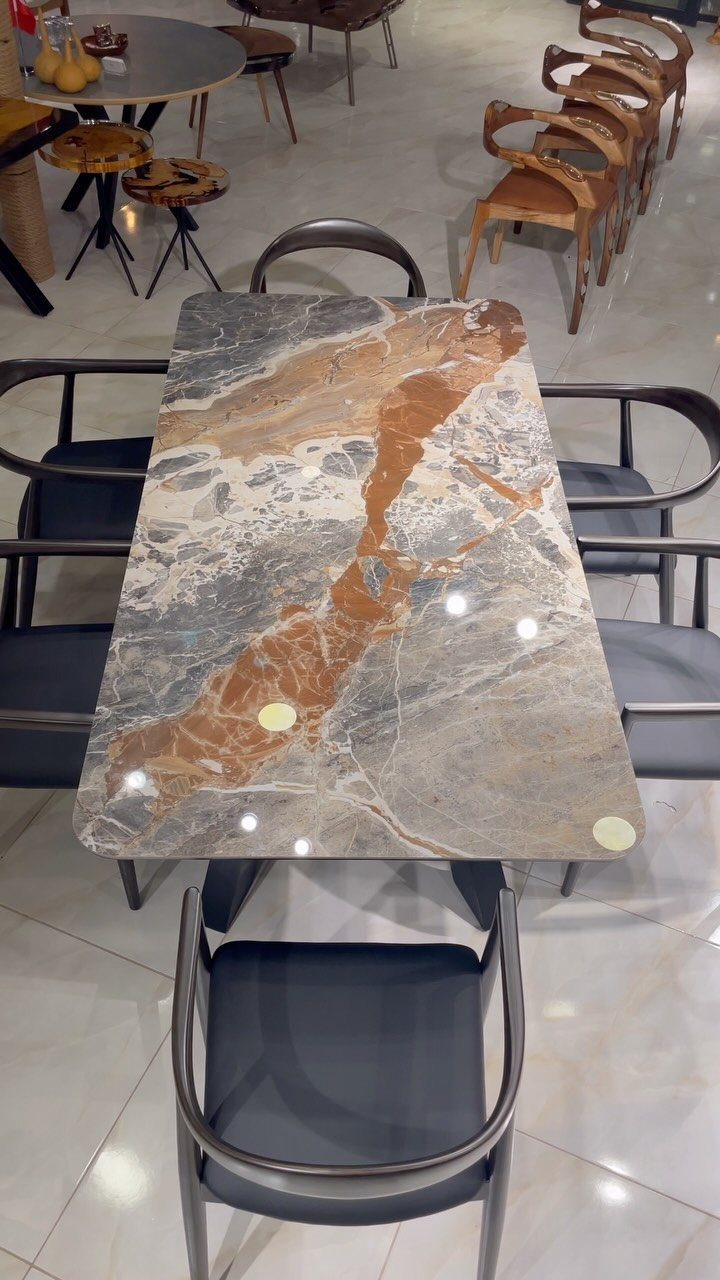
A statement table with bold veining or sculptural shape holds the room better than neutral wood. Multicolored marble draws the eye first and sets the palette for everything around it.
Stone tops add weight and permanence, though they need sealing and coasters to avoid stains. If marble feels too formal, look for tables with turned or flared bases that give the same presence without the upkeep.
8. Dining Spaces Embrace Tactile Materials
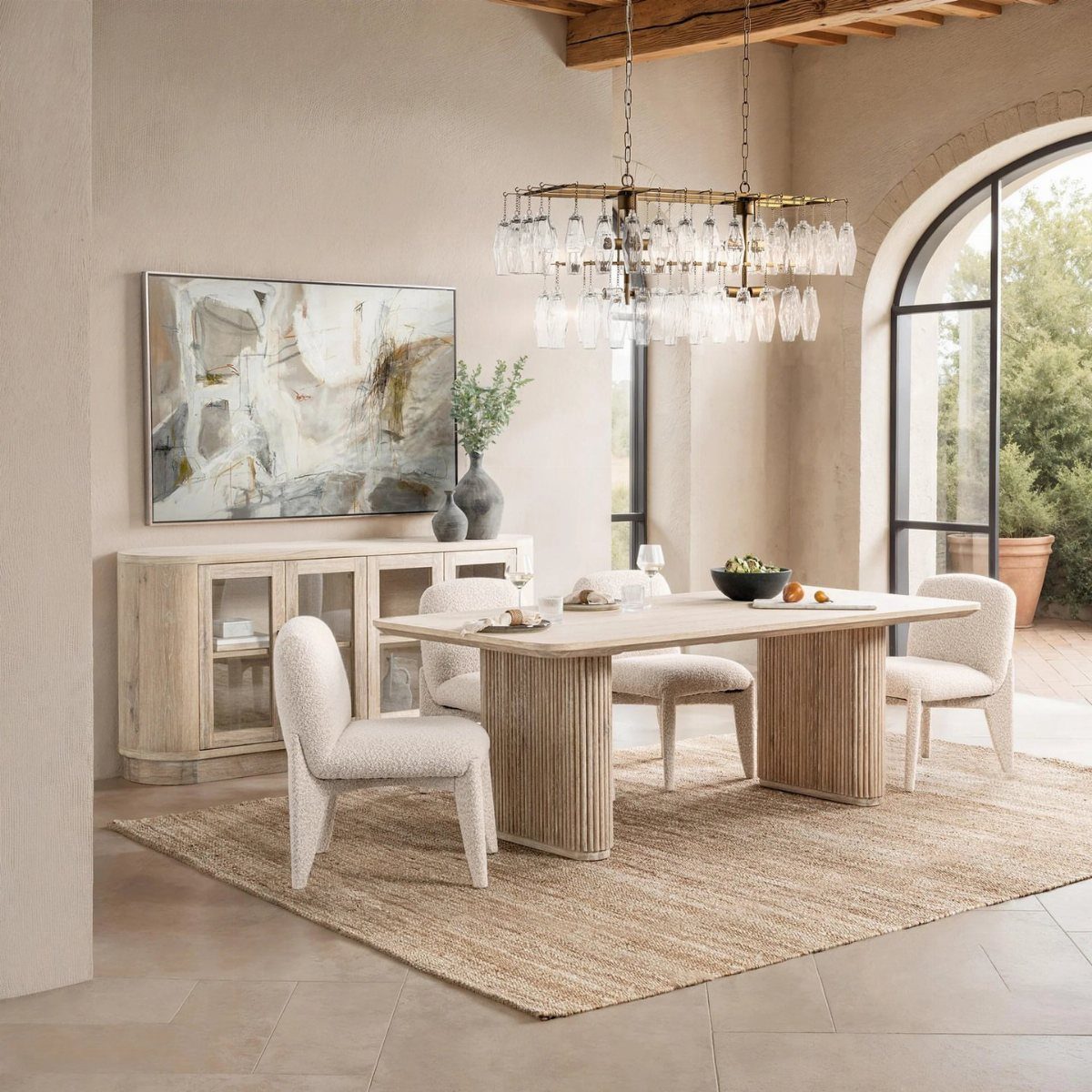
Layering textures gives a dining room depth that flat surfaces can’t. Ribbed table surfaces play against soft bouclé chairs and the looser weave of jute rugs, and each material catches light differently.
Bouclé hides crumbs better than smooth fabrics, and ribbed wood adds visual interest without requiring a stain or finish that shows every scratch. Start with one or two textured pieces and add from there.
9. Collected Dining Rooms Replace Matching Sets
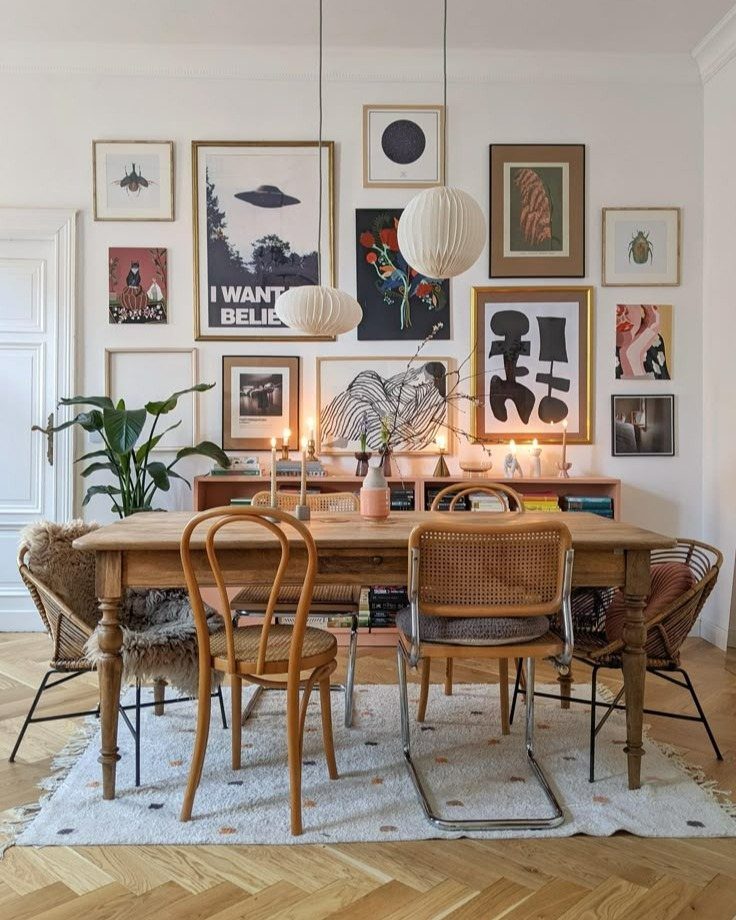
Mismatched chairs turn a dining set into a room that looks collected over time. The mix works when the chairs share a similar seat height and one unifying element, like wood tone or scale.
Start with pairs rather than singles so the table still reads as intentional.
Vintage and new can sit side by side if the finishes complement each other, and the variety makes it easier to replace a broken chair without hunting for a match.
10. Architectural Dining Rooms
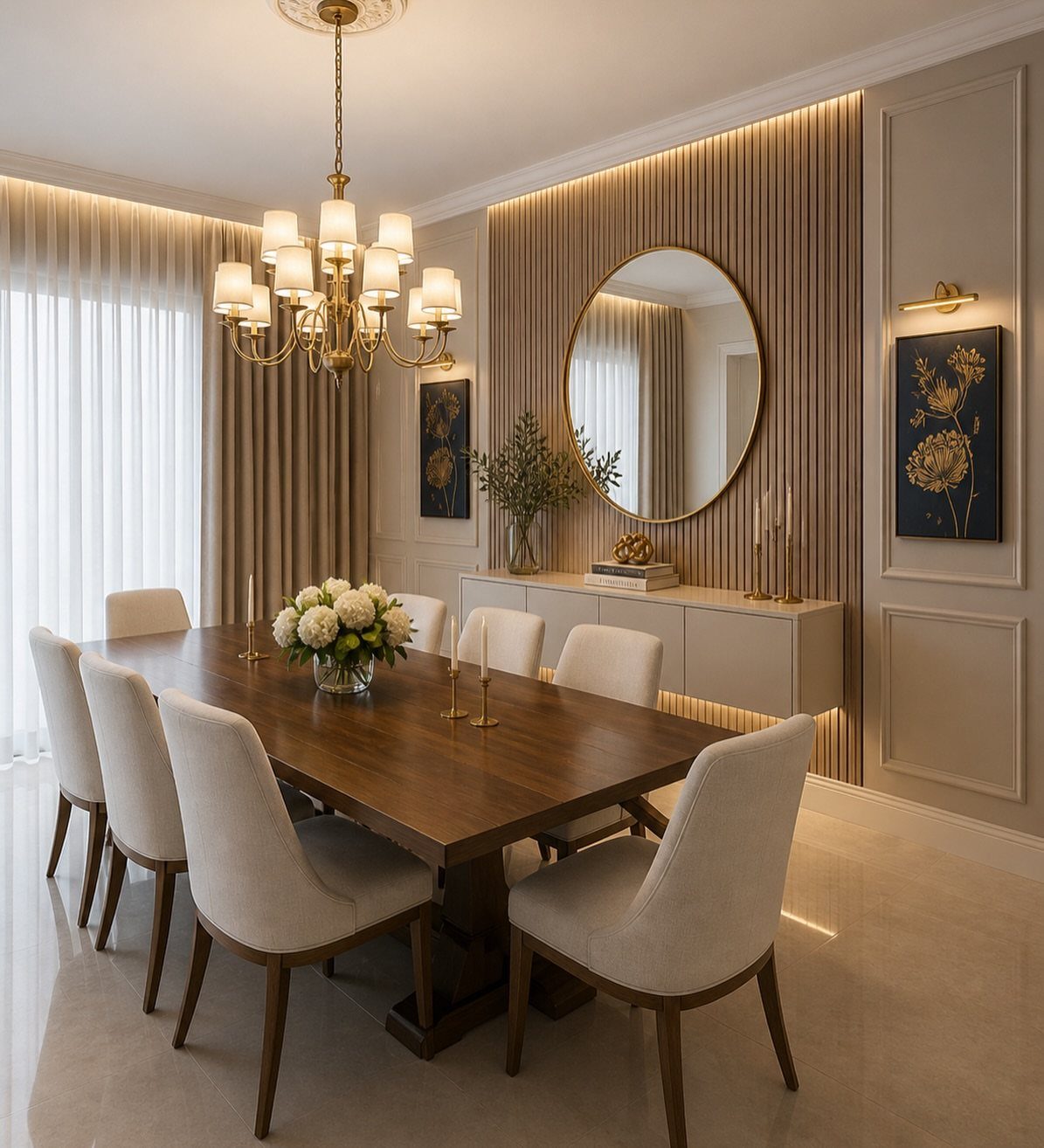
Built-in architectural details give a dining room structure that furniture alone can’t. Fluted wall panels, coffered ceilings and recessed niches add dimension and make the space feel finished.
Vertical paneling lifts the eye and works in rooms with standard ceiling height. If permanent millwork isn’t an option, applied molding or a picture rail adds similar weight for less cost and commitment.
Comfort and Functionality
Tables need surfaces that tolerate spills and heat, and seating that supports an hour at a laptop as well as a long conversation.
Extendable tables let the room flex between weeknight dinners and larger gatherings without committing floor space to a size you rarely need.
Built-in seating, like a banquette along one wall, frees up circulation space and tucks in when not in use.
Sealed wood, stone or laminate surfaces clean up faster than finishes that show every fingerprint, and upholstery that can be vacuumed or wiped down keeps chairs looking decent longer.
Personalization in Design
Personal collections give a dining room character that coordinated decor can’t. Framed family photos, local art and travel prints make the space feel like yours rather than a showroom setup.
The shift moves away from matching everything to one aesthetic and toward rooms that build over time.
Pieces with history, whether inherited, vintage or chosen for their craftsmanship, add layers that feel lived-in. Natural materials like wood and stone develop patina as they age, so they look better the longer you keep them.
A room that reflects how you actually live and what you care about will always read as more finished than one staged to a trend.
Sustainability in Choices
Solid wood furniture and durable upholstery last longer and reduce the need to replace pieces every few years.
Natural stone, marble, rattan and linen bring sustainable materials into the room, and each wears in rather than out.
Instead of disposable pieces that land in the trash after a year or two, the shift is toward solid furniture that holds up through a decade of meals. Look for joinery you can see and finishes that improve with age.
Frequently Asked Questions
What are the interior trends for 2027?
Comfort, personalization and sustainable materials lead the direction for 2027.
Rooms are shifting toward everyday use instead of formal occasions, which means furniture that supports long conversations, decor that reflects what you care about, and materials like solid wood and stone that last.
Tactile surfaces, sculptural lighting and mismatched seating all follow from the same shift toward spaces that feel collected rather than staged.
What are the dining room color trends for 2026?
Earthy neutrals, soft greens, muted blues and warm clay tones anchor 2026 palettes. Moss and olive greens with brown or gray undertones appear alongside chocolate browns and wine reds, and mustard tones replace the softer butter shades from earlier years.
Natural wood finishes continue to work across most rooms, and tonal color drenching that carries one shade across walls and ceiling adds depth without requiring bold contrast.






