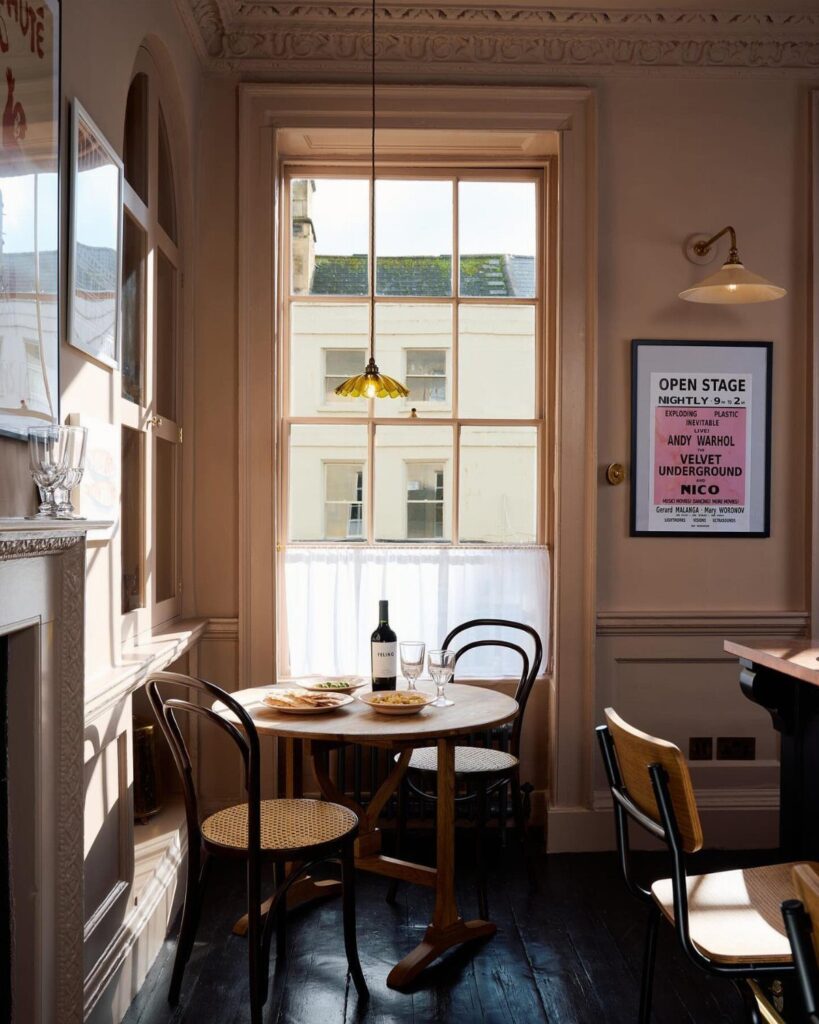
A round table sized for two or built-in booth seating can fit a breakfast nook where a rectangular dining set would crowd the floor.
The setup that works depends on the light the room gets, the colors you want, and whether you’re working with a corner or an open wall.
1. Round Tables
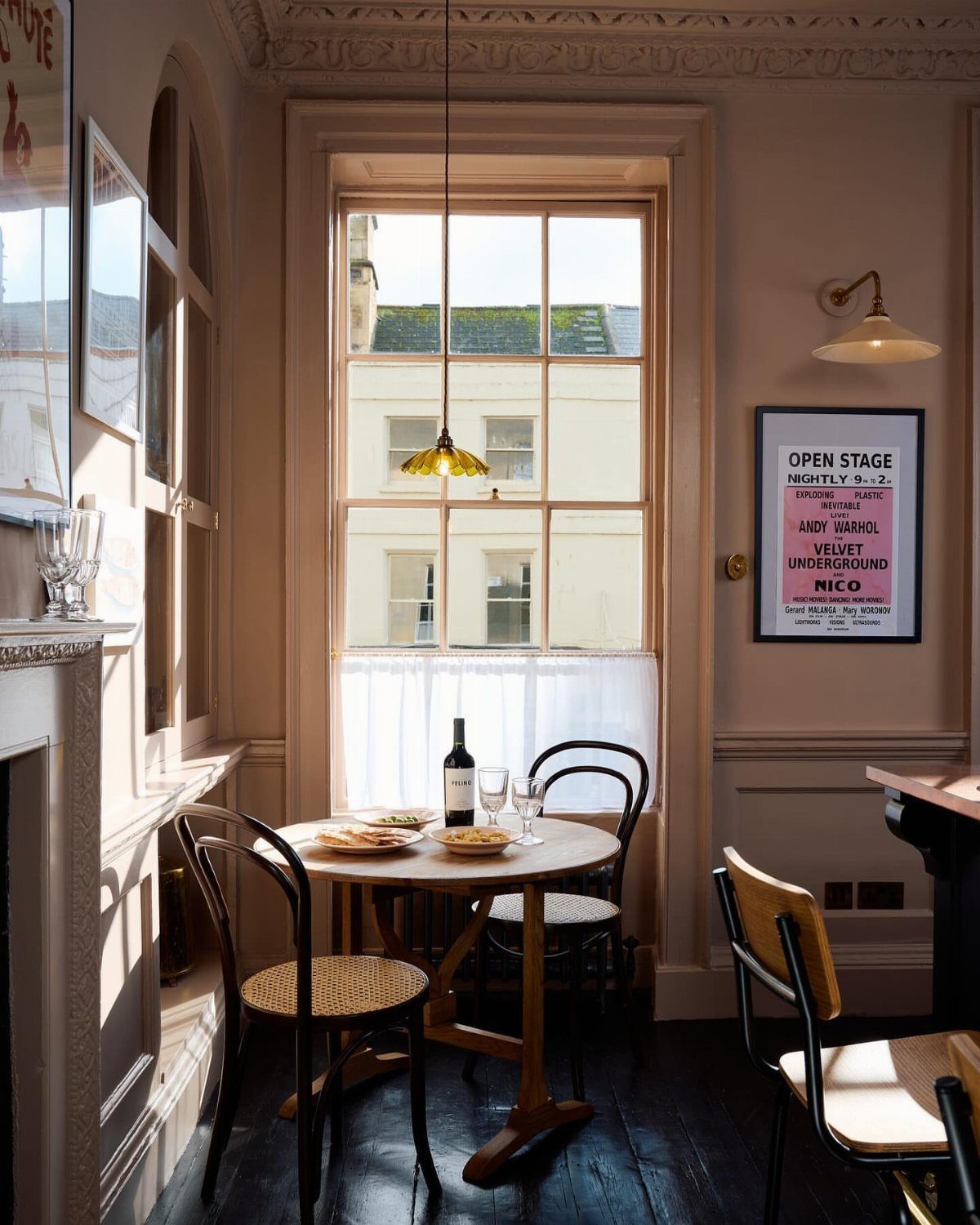
A round table fits where a rectangular one cannot, letting you slide past it to reach a window or open a drawer without shifting chairs out of the way.
The lack of corners gives you one more place to stand when the kitchen gets crowded.
A round table sized for 2 leaves room to move without the breakfast room feeling cramped. Pedestal bases keep the floor clear and let you pull up a third chair when someone drops by.
2. Charming Table Settings
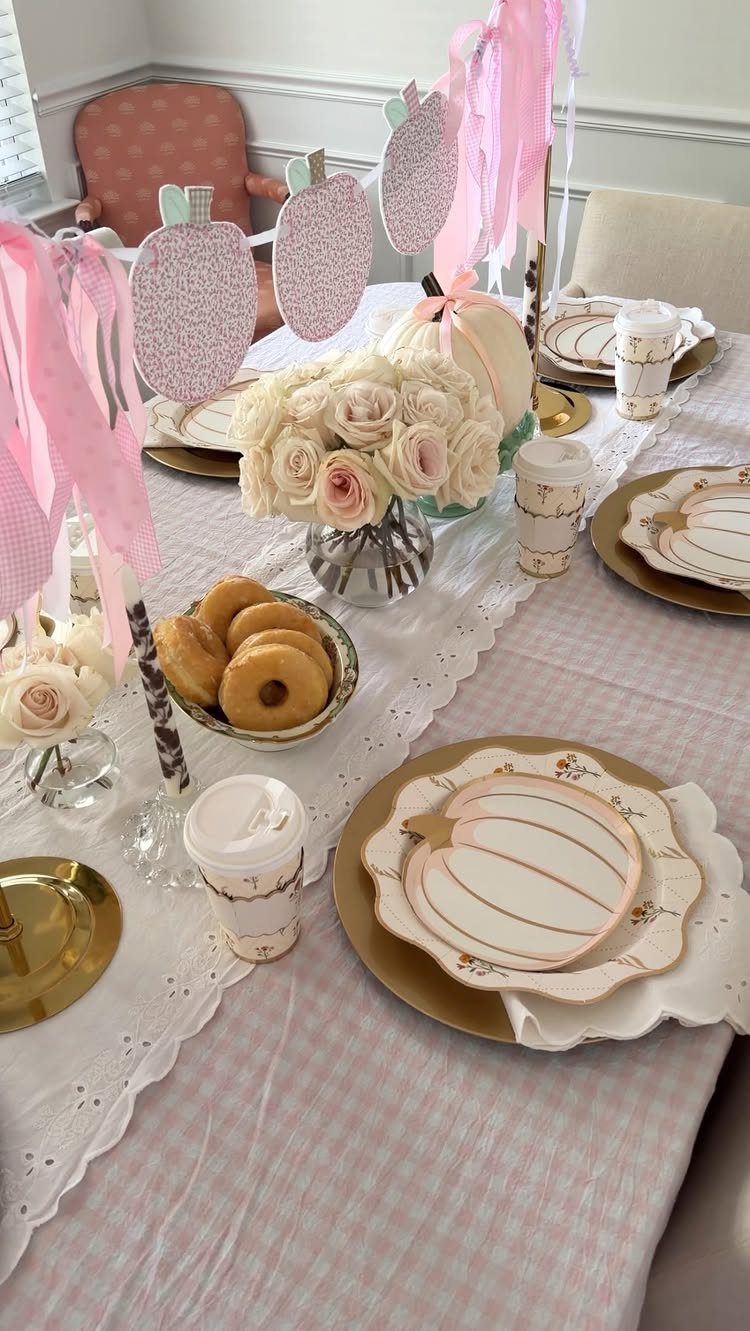
Layering a lace runner over gingham brings in texture without adding clutter, and the mix of pink and gold makes a weekday breakfast feel more deliberate.
Small decorations and a low bowl of food keep the center of the table full without blocking sightlines across it.
Chargers under the plates give each place setting weight, which matters when the table itself is small.
I swap seasonal details like these every few weeks; the base pieces stay neutral so the accent colors can change without replacing everything at once.
3. Built-in Breakfast Nooks
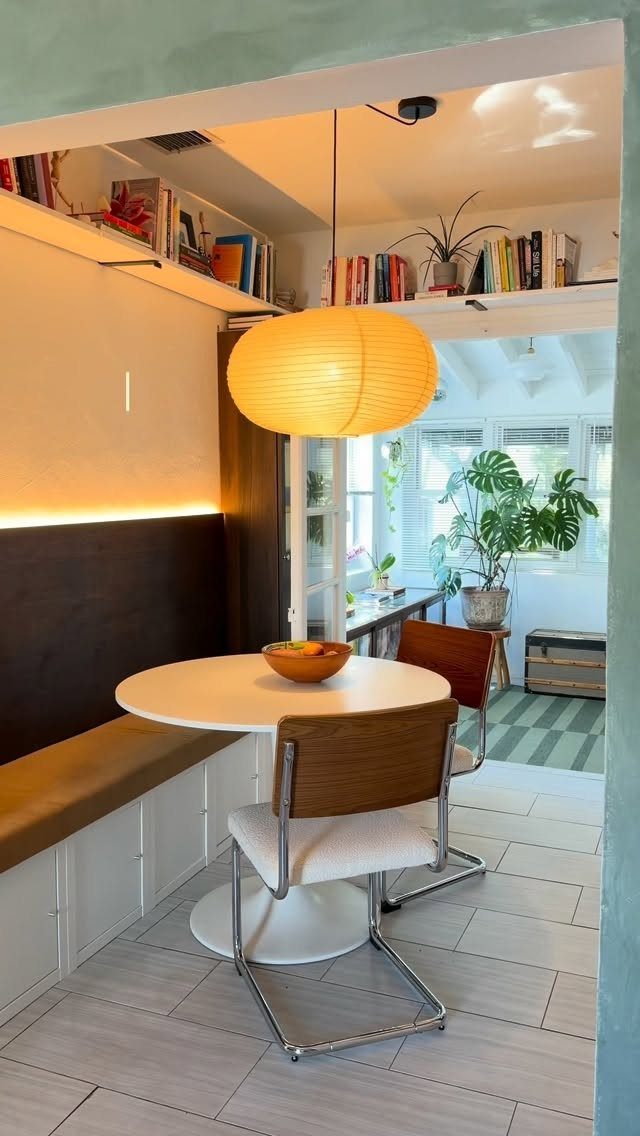
A built-in bench against the wall takes up half the floor space a set of chairs would, leaving more room to walk through the nook without turning sideways.
The bench back rises just high enough to support your shoulders, and storage drawers or cabinets underneath use space that would otherwise sit empty.
Pair the bench with a round table and one or two movable chairs on the open side.
The chairs tuck under the table when no one is sitting there, and you can pull them out to other rooms when you need extra seating.
4. Natural Light Emphasis
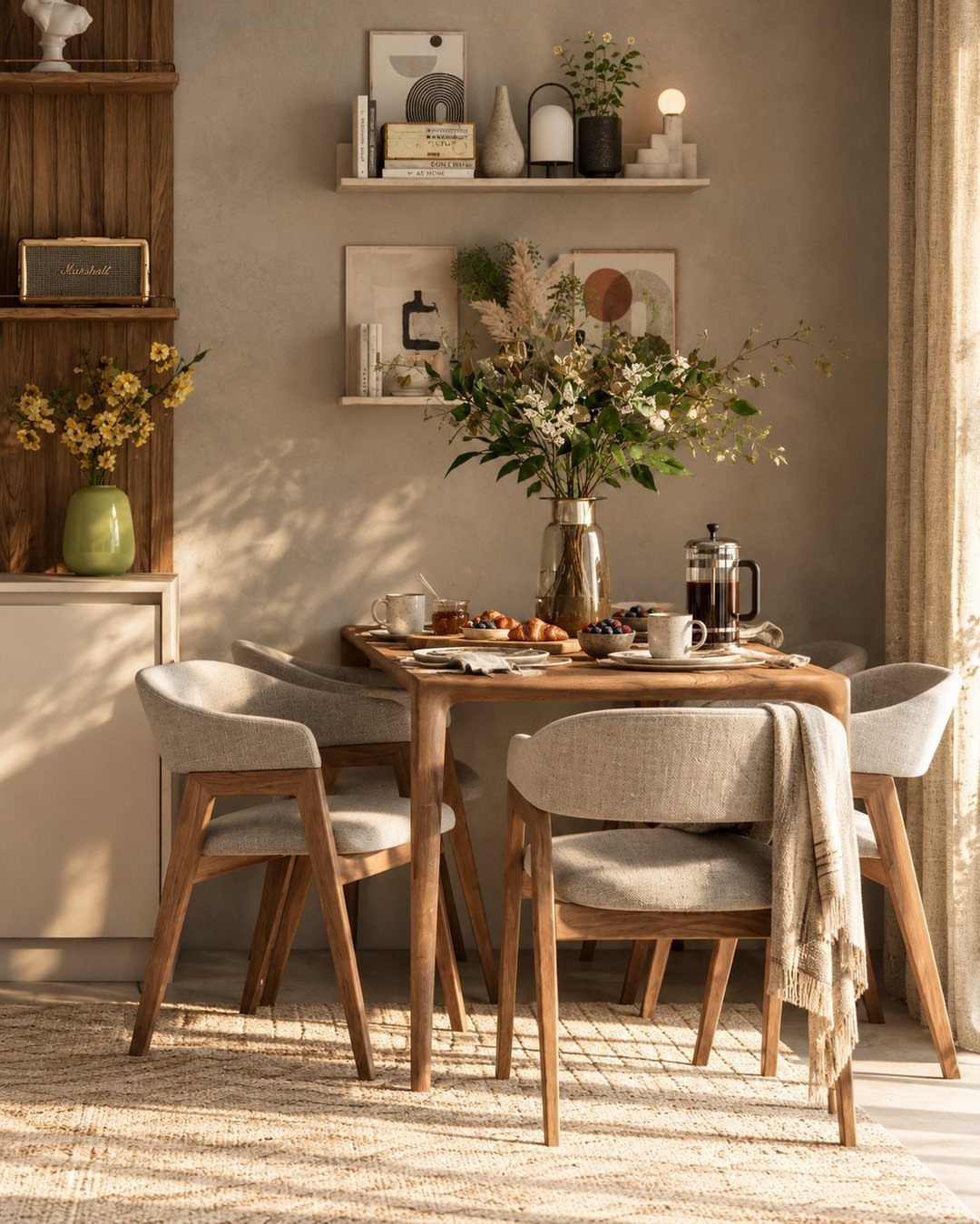
Positioning the table directly under a window or next to a glass door fills the nook with daylight, which makes a small space feel less enclosed.
The light changes throughout the morning, and breakfast feels different depending on when you sit down.
Light curtains or no curtains at all let morning light reach the table if the room has enough privacy.
Sheer linen or a simple roller shade lets you control glare without blocking the view, and the window itself becomes part of the room’s detail rather than something you cover up.
5. Sleek Breakfast Nook
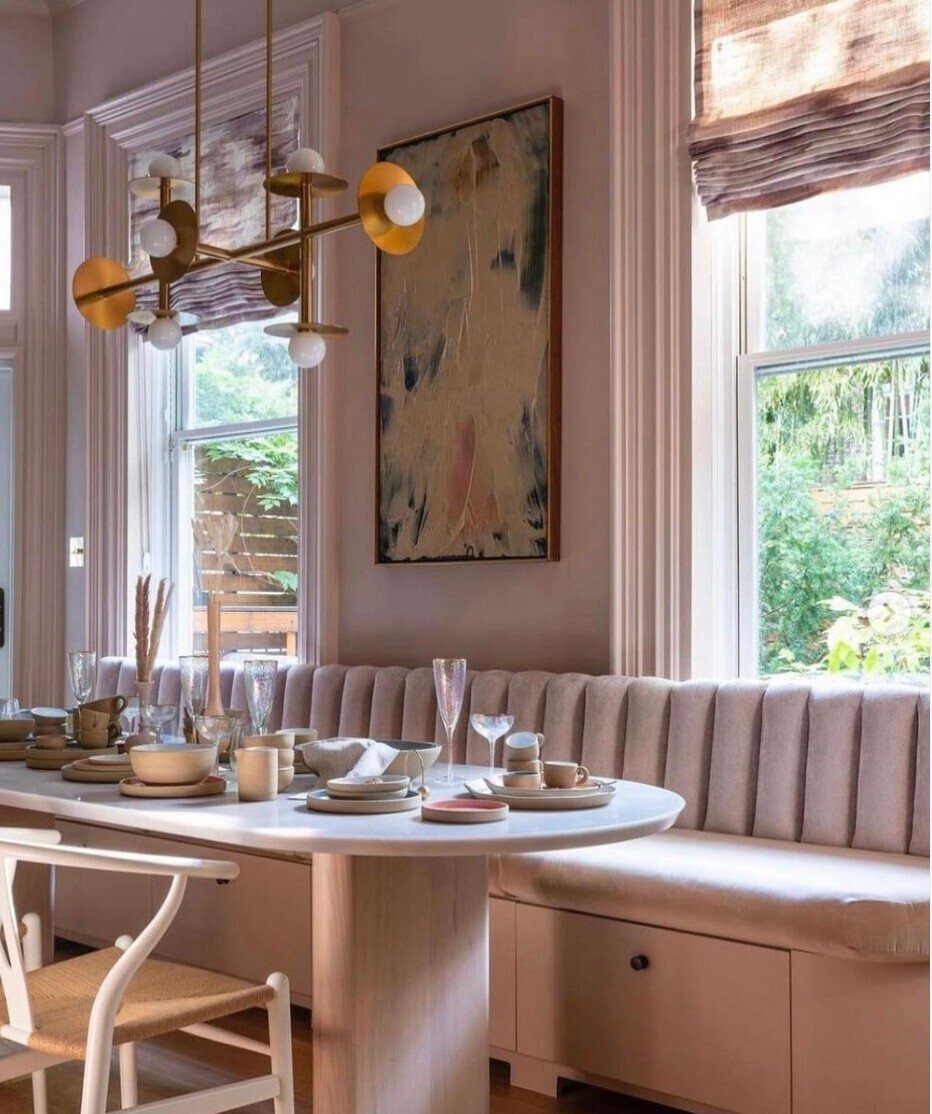
Fluted banquette seating and a brass chandelier bring formality into a space that usually reads casual, which suits a breakfast nook that also serves as the only dining area in a small home.
The oval table softens the look without losing the refinement, and the abstract art gives the wall a finished edge.
This approach works best when the rest of the home leans modern or transitional. If your kitchen cabinets are traditional shaker or farmhouse style, a simpler nook with natural wood and softer lighting will feel more cohesive.
Whether it’s a banquette in the corner of a kitchen or a small dining set-up in front of eye-catching bay windows, breakfast nooks are the perfect way to start the day.
6. Cottage Window Classic
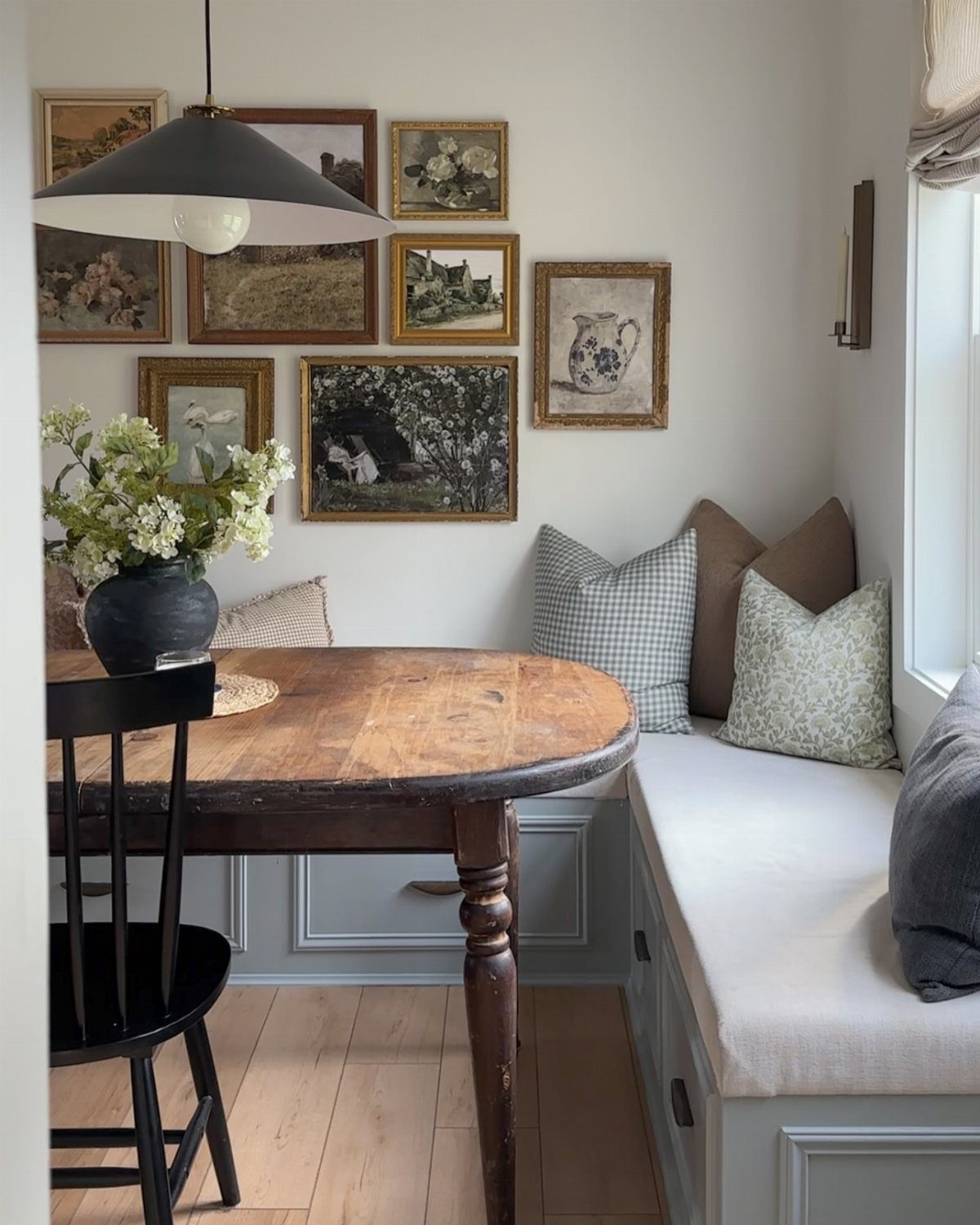
The black chairs and warm honey-toned floor balance the cream walls without letting the space tilt too far in one direction. The palette reads cottage without requiring you to add pattern or busy details elsewhere.
Gallery walls above the bench fill vertical space that benches leave empty, and the frames give you something to look at when you sit facing the wall.
I keep the frame styles consistent so the arrangement stays calm rather than pulling attention away from the table itself.
7. Use of White Color
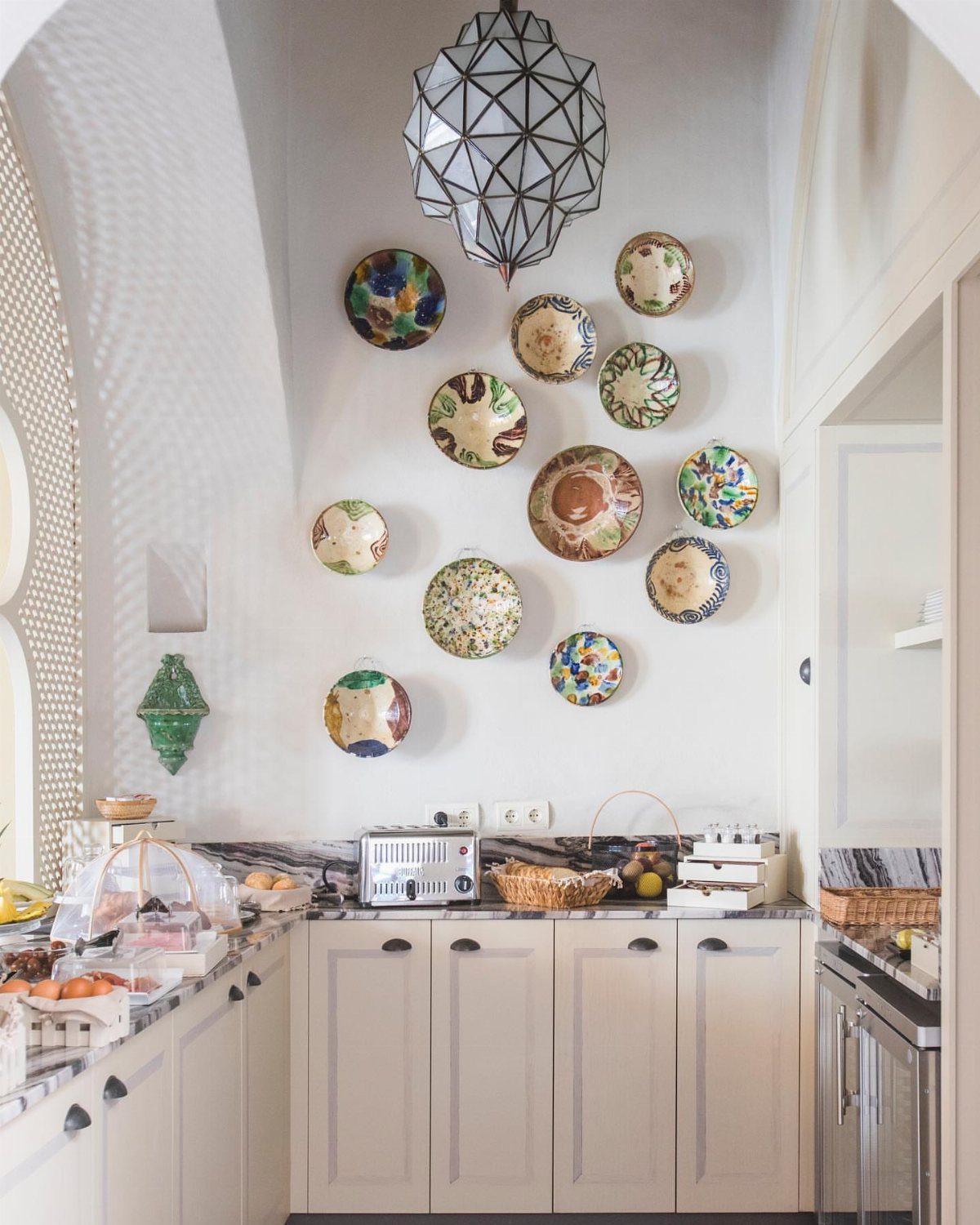
White walls and cabinets reflect whatever light enters the room, which makes a small breakfast area feel less closed in.
The uniformity removes visual breaks that would otherwise chop the space into sections, and your eye reads the whole nook as one surface rather than stopping at each seam.
A white backdrop lets colorful accents stand out without requiring much of them. The ceramic plates here bring in pattern and color, and because the walls stay plain, a few pieces are enough to fill the space without crowding it.
8. Accent Colors
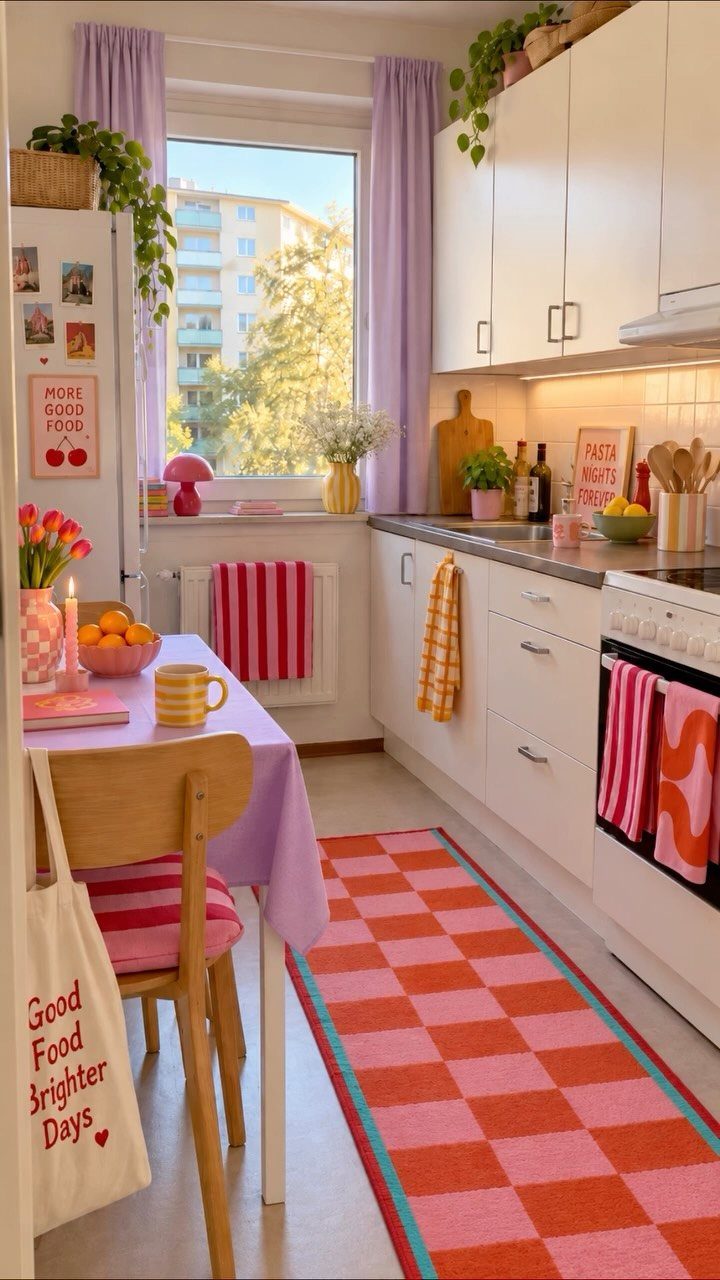
Layering one or two accent colors over a neutral base gives a small breakfast room personality without the commitment of painting walls or replacing furniture.
The purple curtain and tablecloth here set the tone, and the runner adds a second pattern that keeps the table from reading flat.
Text art and posters on the walls bring in more color at low cost, and swapping them out changes the mood of the room faster than repainting would.
When the base pieces stay neutral, you can shift accents seasonally or when you get tired of looking at the same palette.
9. Mixing Wood Finishes
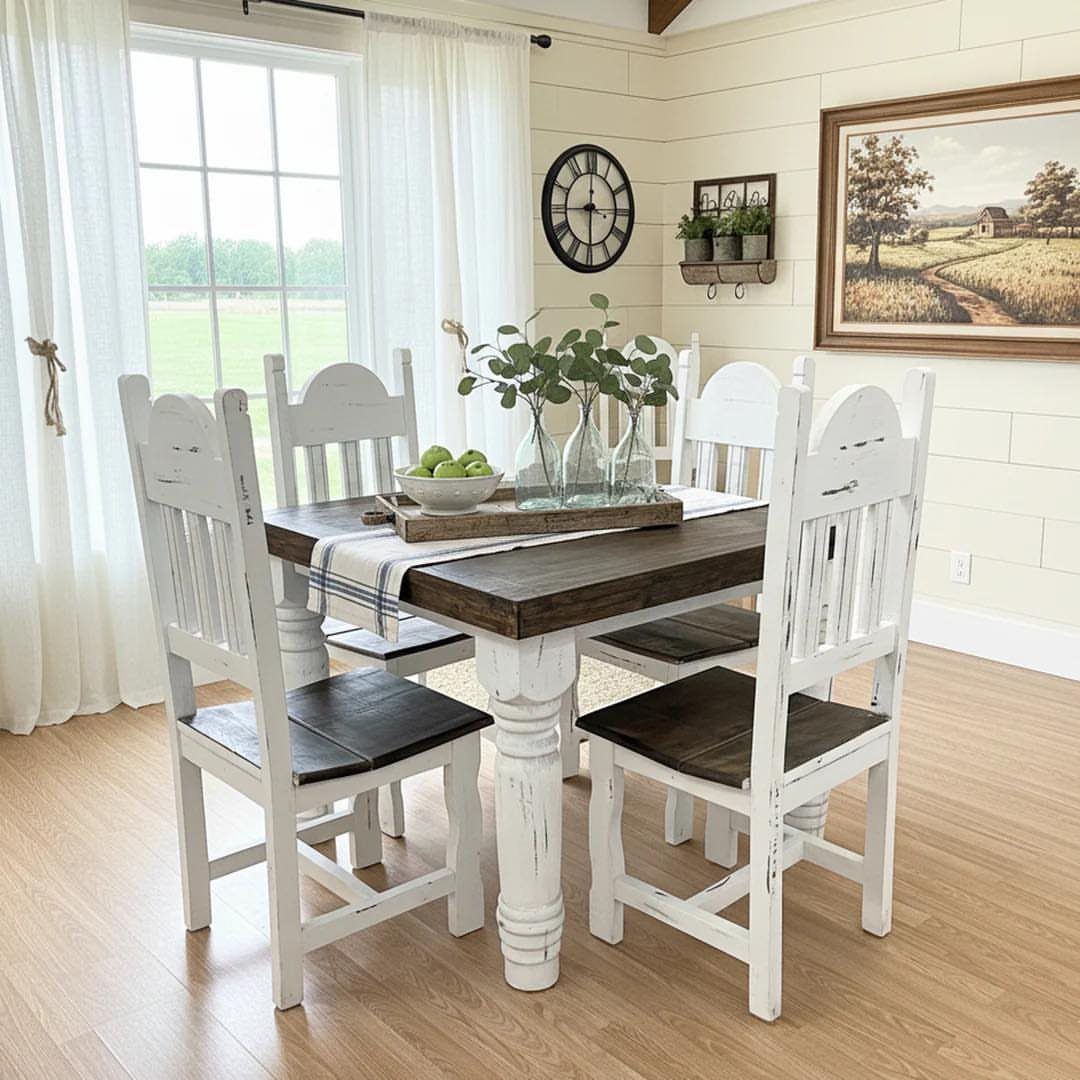
Pairing a dark wood table with painted chairs brings contrast into a small space without adding pattern or competing finishes. The difference in tone gives each piece definition, and the room reads less generic than it would if everything matched.
This works best when the walls and floors stay light. The dark table anchors the nook visually, and the white chairs keep the overall weight balanced so the space does not feel heavy.
10. Artful Gallery Walls
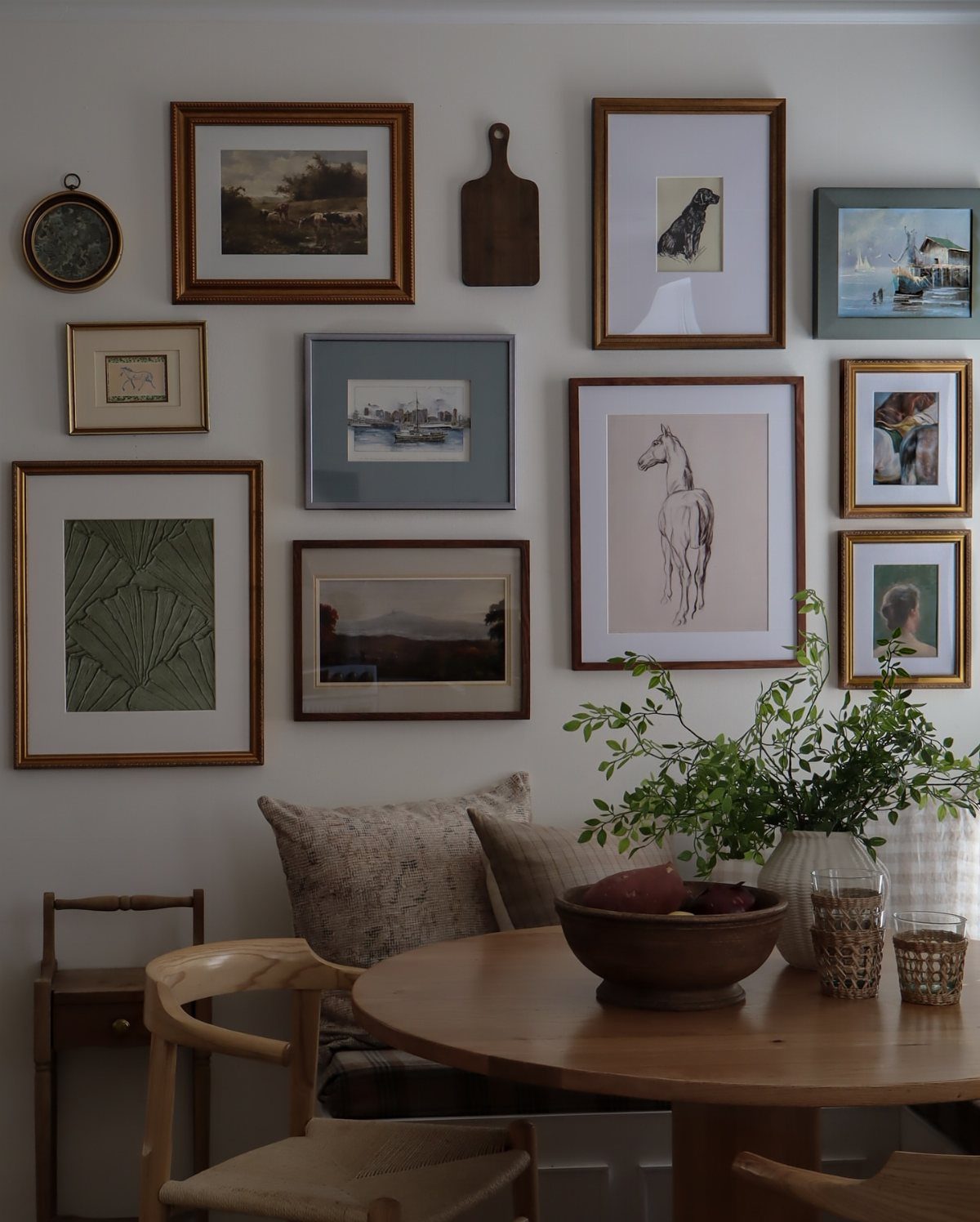
The arrangement here includes different sizes and orientations, which keeps the grouping from reading too rigid.
A wooden board or shelf breaks up the frame arrangement and adds a horizontal line that steadies the composition.
The art itself does not need to match a theme; I choose pieces based on color and scale, and the frames tie them together.
11. Booth Seating
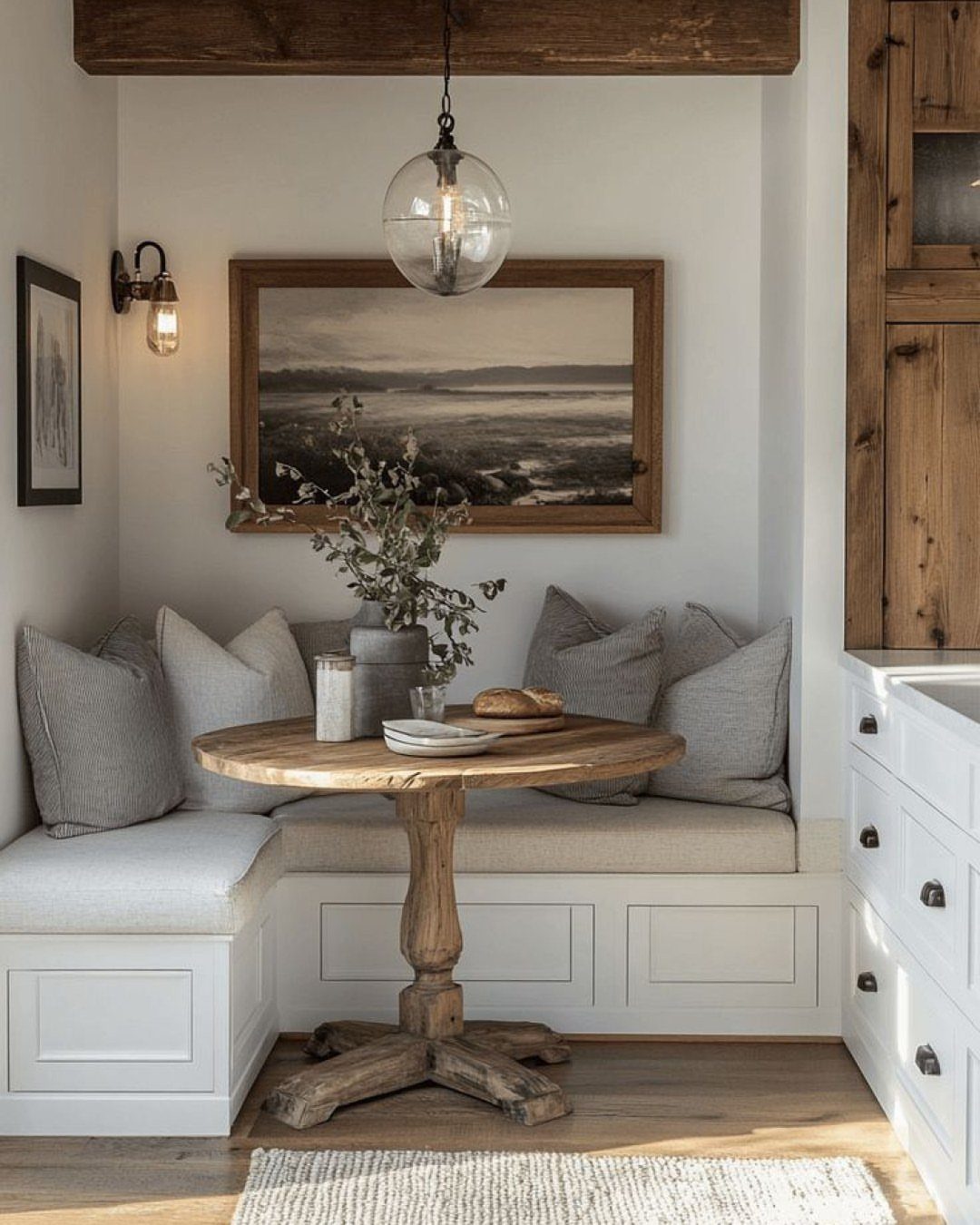
L-shaped booth seating tucks into a corner and seats more people than separate chairs would in the same footprint.
The backs meet at a right angle, which gives support on 2 sides and lets you push the table closer to the walls without losing comfort.
Built-in booth seating usually includes storage underneath, and the lift-up cushions give you access to cabinets or drawers that would be hard to reach otherwise.
The fixed layout means you cannot rearrange the furniture, but in a small breakfast room where the table position is already decided by the windows or doorways, that flexibility rarely matters.
12. Use of Vintage Elements
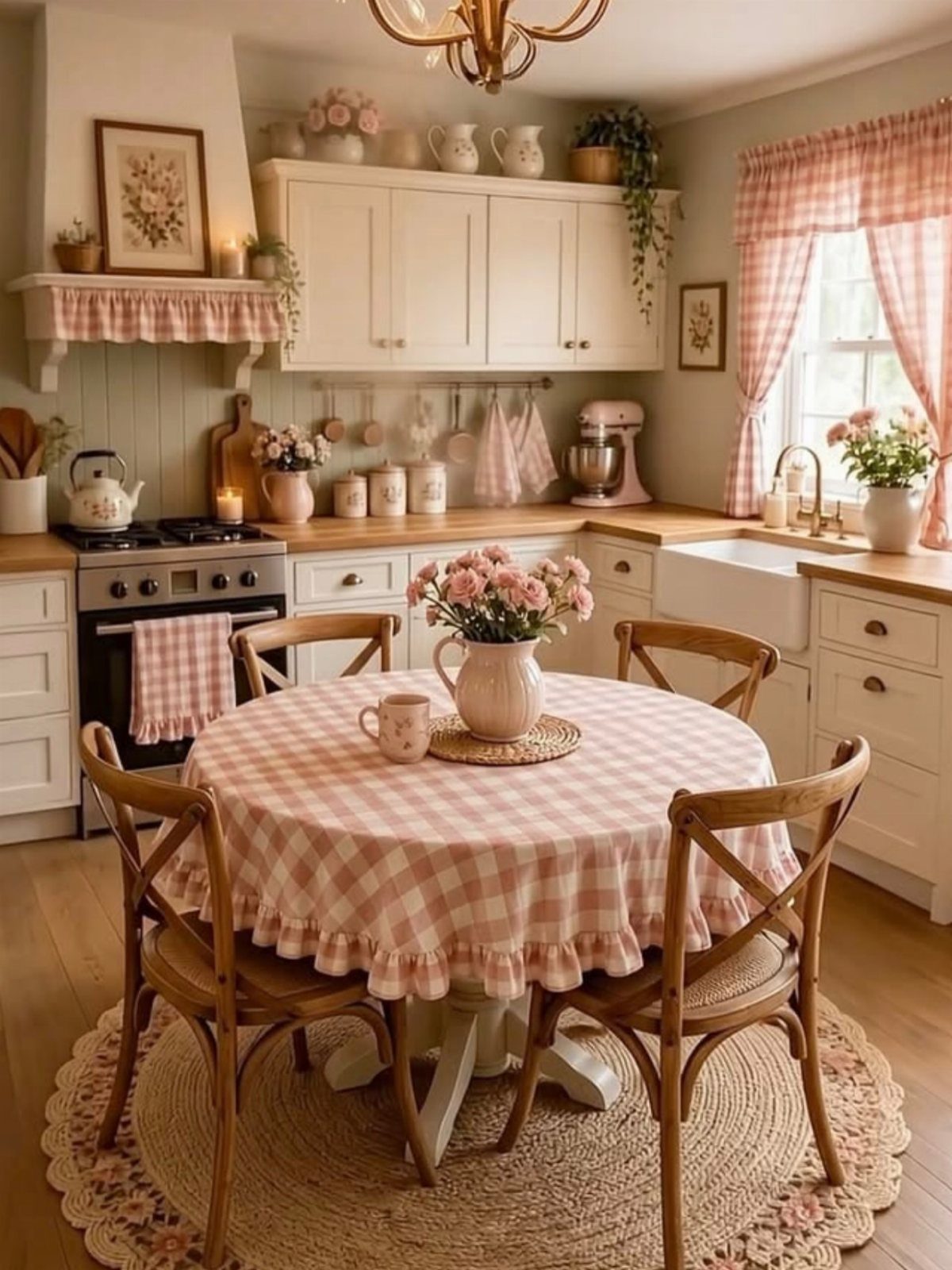
Gingham tablecloths and spindle-back chairs bring in vintage details that suit a breakfast nook better than formal dining pieces would.
The pink and white checks here soften the rustic wood tones, and the pattern keeps the table from disappearing into the floor.
Vintage elements show up in secondhand stores and estate sales, and mixing them with newer pieces keeps the room from reading like a set.
The farmhouse sink and white cabinetry add to the same look, but if your kitchen leans modern, a single vintage table or set of chairs will feel out of place rather than charming.
13. Open Shelving
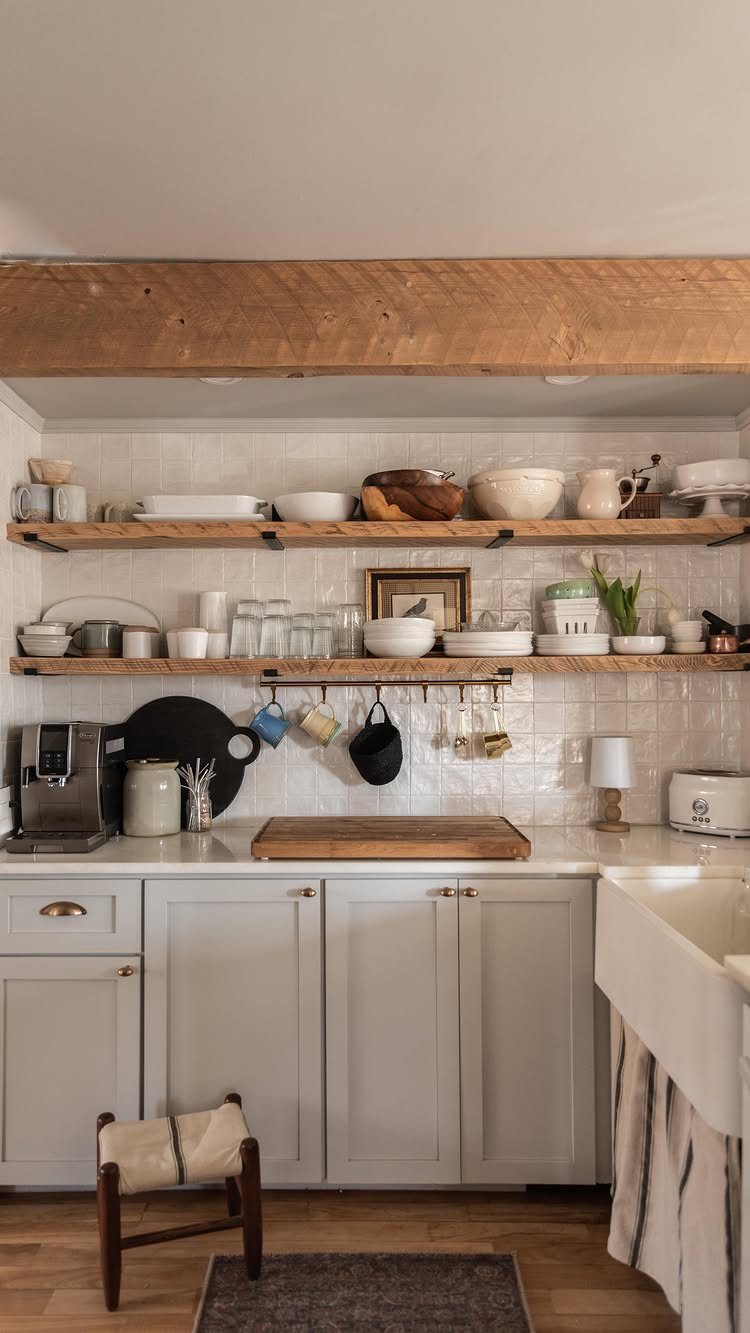
Open shelves keep dishes visible and easy to reach, which matters when cabinet space runs short in a small breakfast room.
The mix of ceramics and glassware here fills the shelves without crowding them, and the wood tone warms the grey cabinets below.
Grouping dishes by color or size keeps the shelves from reading cluttered.
I arrange taller pieces toward the back and shorter ones in front so everything stays visible, and leaving some empty space between groups gives each item definition rather than blurring into a stack.
14. Colorful Tiles
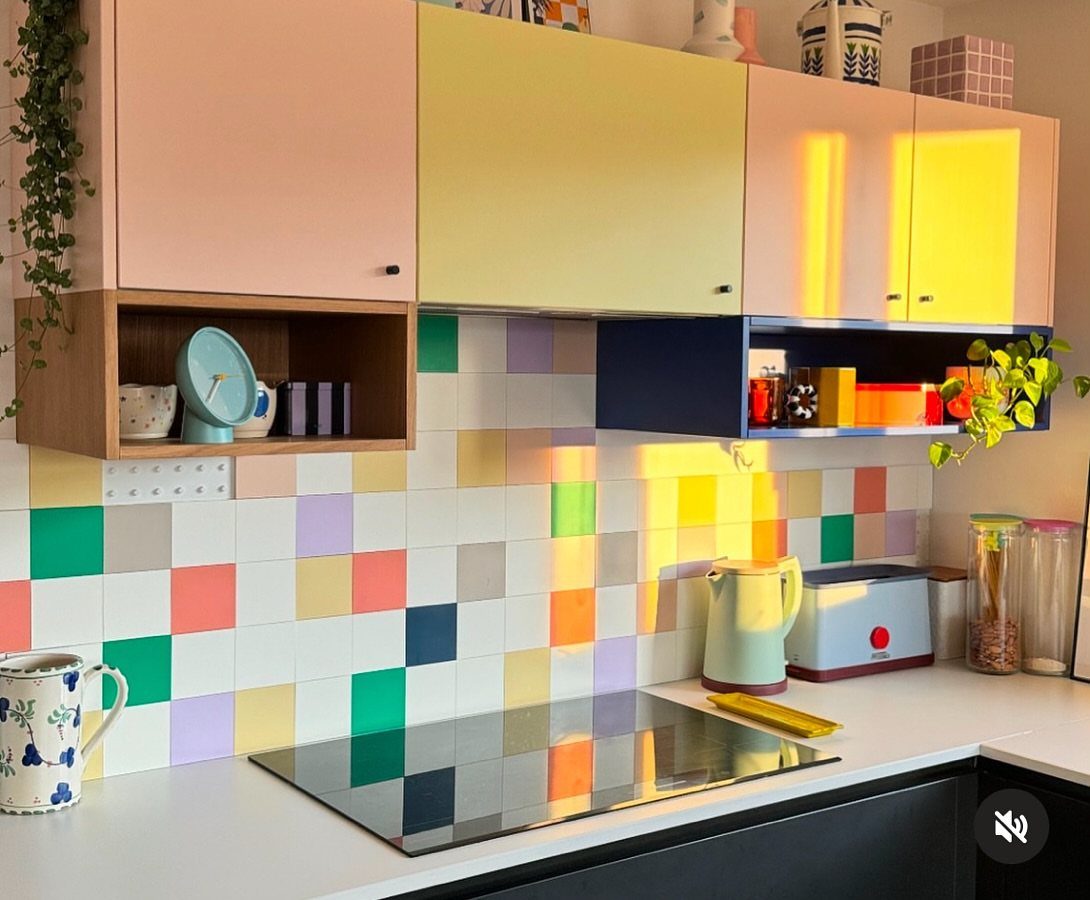
Square tiles in mixed colors pull attention to the backsplash without requiring pattern or large motifs, and the variety keeps the look playful rather than formal.
The pastel cabinets pick up some of the tile colors, which ties the upper and lower halves of the room together.
The white countertop and simple hardware let the tiles carry the color, and if the cabinets were also bold or patterned, the nook would feel busy rather than cheerful.
15. Sculptural Lighting
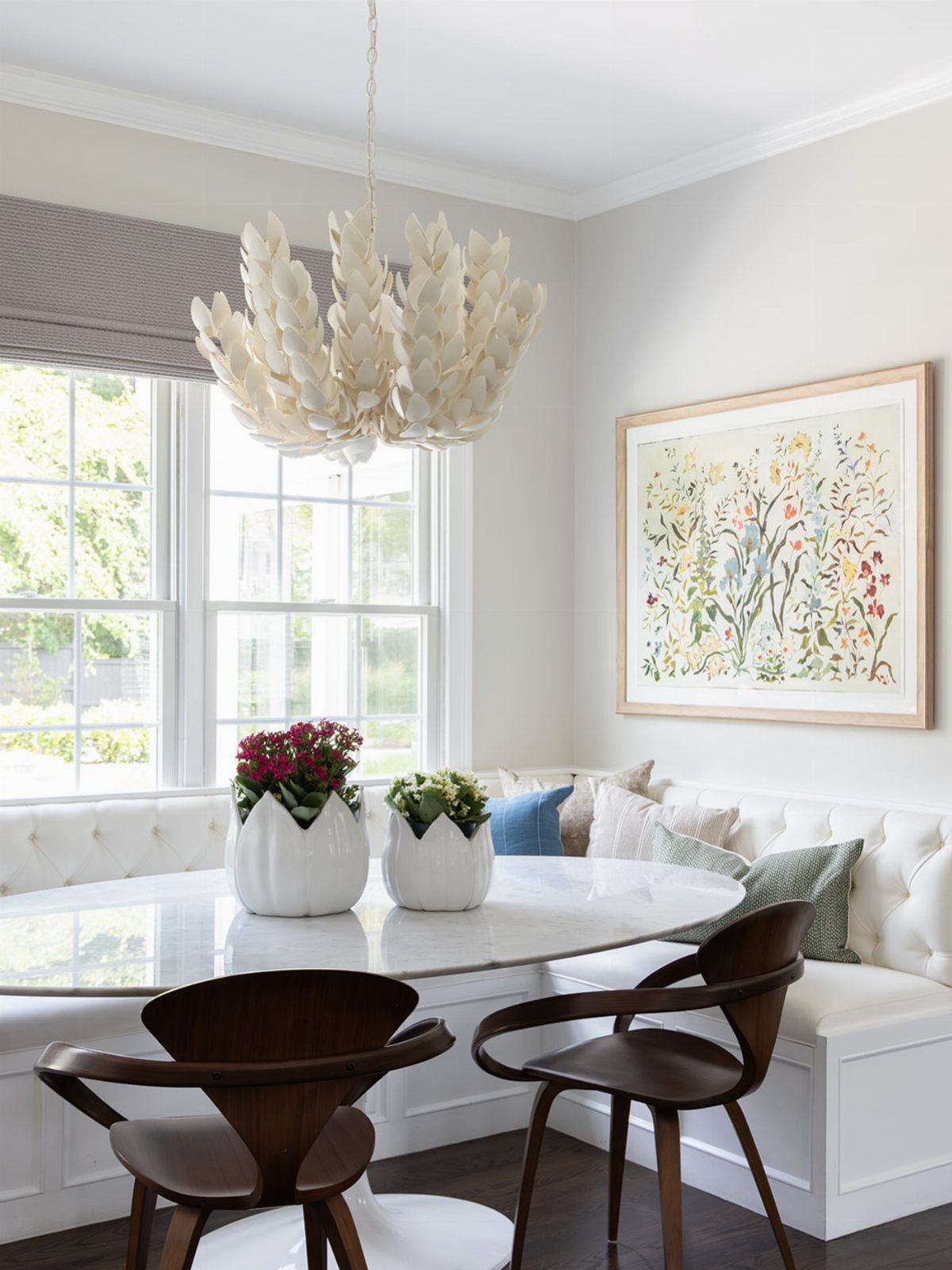
A large chandelier with sculptural form fills the space above the table without blocking sightlines, and the white finish keeps it from feeling heavy in a small room.
The leaf-like shape here brings organic detail into a nook that would otherwise read plain, and the scale makes the fixture itself the focal point rather than an afterthought.
Sculptural lighting suits a minimal table and simple chairs because the fixture provides the visual interest. If the table or chairs already carry strong detail, a simpler pendant will feel more balanced.
Practical Layout Tips
Storage drawers or lift-up compartments underneath put dead space to work without adding bulk above the seat line.
Color Schemes
Muted gray-green cabinetry or natural wood keeps the palette calm, and terracotta or honey-toned floors add warmth without competing for attention.
Colors shift depending on the direction the window faces and the time of day you use the space.
Pops of bright color work best in small doses.
Green plants add color at low cost and change with the seasons.
Seasonal Updates
A plain pitcher or mason jar suits a breakfast spot better than anything fussy, and 3 stems from the grocery store look like you meant it.
Tulips or ranunculus feel right in March, and by October I switch to seed heads or a branch clipping that reads darker and drier.
Pink, yellow, red, and white blooms provide contrast against natural wood and neutral textiles, and the bouquet itself becomes the focal point when the rest of the table stays simple.
Swapping flowers or branches every few weeks keeps the nook feeling current, and the cost stays lower than replacing furniture or repainting walls.
Frequently Asked Questions
How to make a small kitchen look good?
Light colors on walls and cabinets reflect daylight and make the room feel larger, and positioning the table near a window adds natural light that changes throughout the morning.
Functional pieces like open shelving or built-in benches with storage keep the space from feeling cluttered while putting every surface to work.
What is a breakfast area in a house?
A breakfast area is a casual dining space near or inside the kitchen, usually with a smaller table and more relaxed seating than a formal dining room.
How do I make my small room look beautiful?
Start with light colors and natural light to open up the space, then add one or two accent colors through textiles or art instead of committing to bold paint.
Functional pieces like built-in benches or pedestal tables keep the floor clear, and mixing finishes like dark wood with painted chairs gives each piece definition without adding clutter.
Is a breakfast nook worth it?
Built-in benches take up less floor space than chairs you have to pull out, and the storage underneath turns dead space into a place for board games, linens, or whatever else needs a home.
The nook reads more intimate than a full dining setup, which suits weekday breakfasts and quick dinners better than formal furniture would.