Runners let the table show through, tablecloths cover it completely, and you can stack both for texture.
The choice comes down to whether your table is part of the look or just the base for it. Low arrangements or several small vases let people talk across the table instead of craning around one tall piece.
Glass hurricanes give you flame and height at eye level, and a charcuterie spread becomes something to look at and graze on before dinner.
1. Table Runner
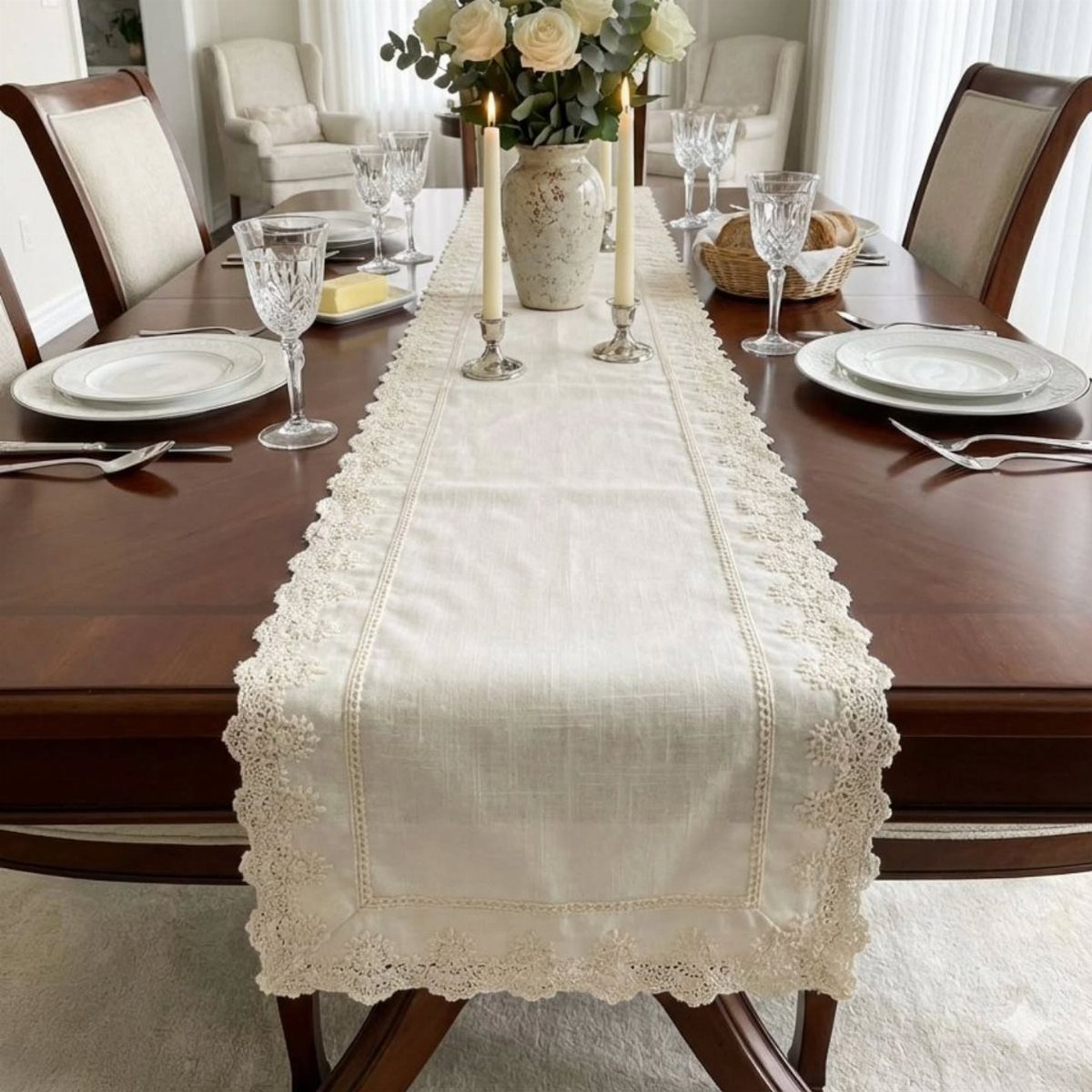
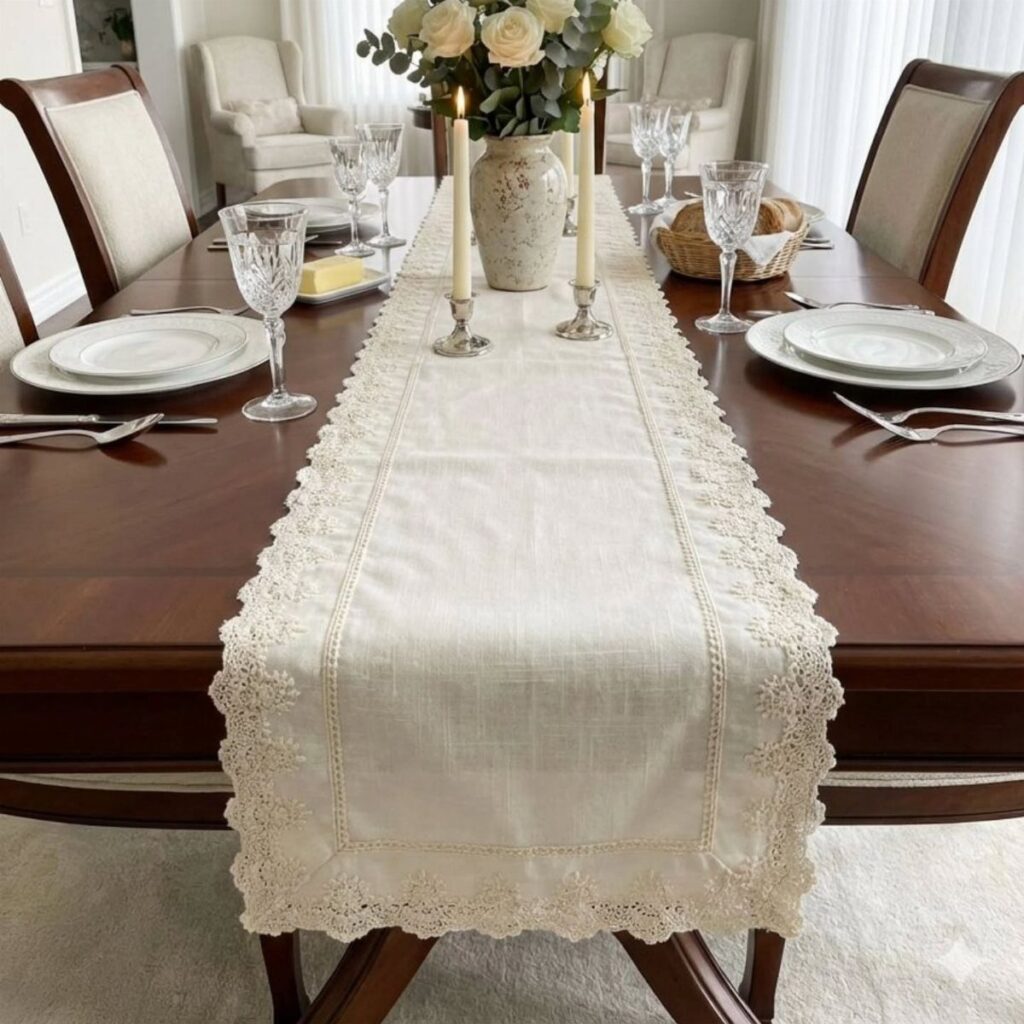
A table runner in lace or linen sits down the center of the table without covering the wood entirely, so you get texture and pattern where the eye lands first while the table itself stays visible.
Lace works particularly well on dark wood, where the contrast makes both surfaces stand out.
White or cream lace suits most formal settings, but linen runners come in deeper tones if you want the runner to anchor the table rather than float above it.
Either way, the runner gives you a defined space for centerpieces and candles while keeping setup quick.
2. Tablecloths and Runners
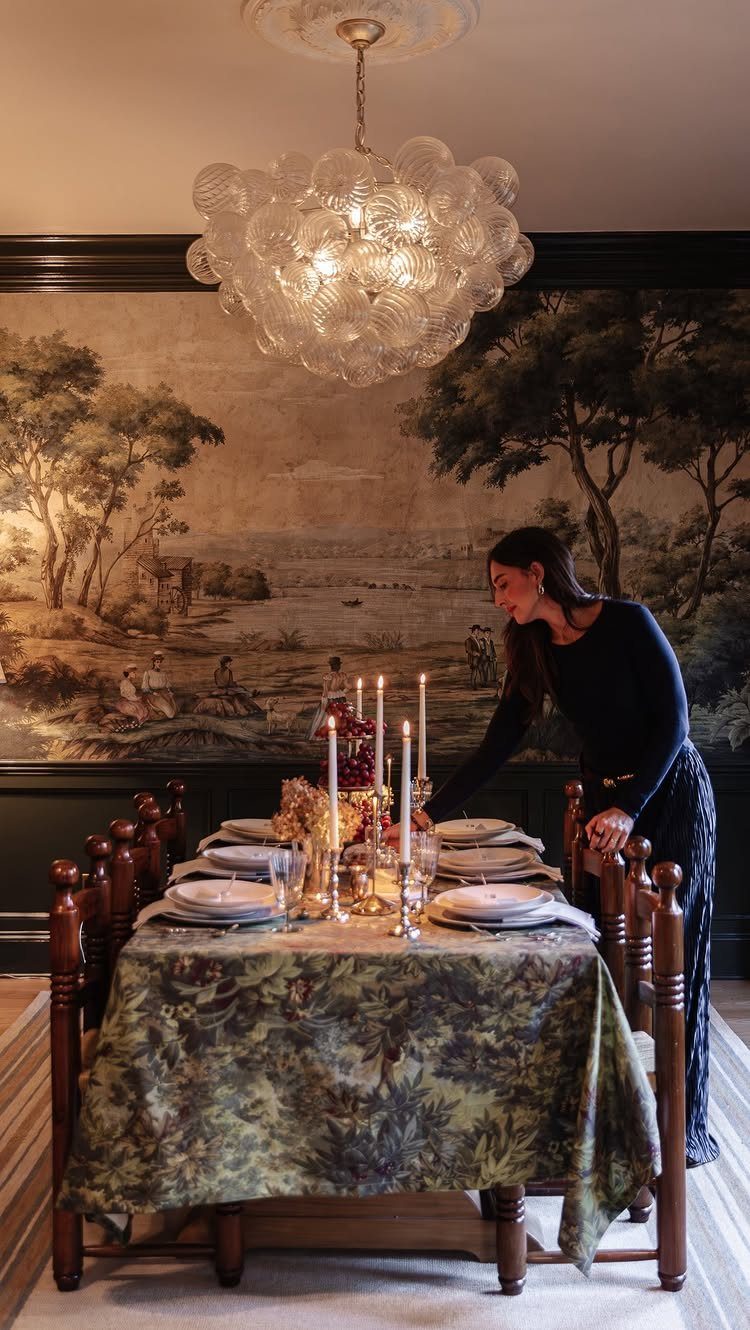
A full tablecloth changes the entire surface, which lets you bring in color or pattern without depending on what the table underneath looks like.
Pair it with a runner on top and you get two layers working together, one for coverage and one for detail.
The cloth does the decorating and everything else gets out of the way.
3. Fresh Flowers
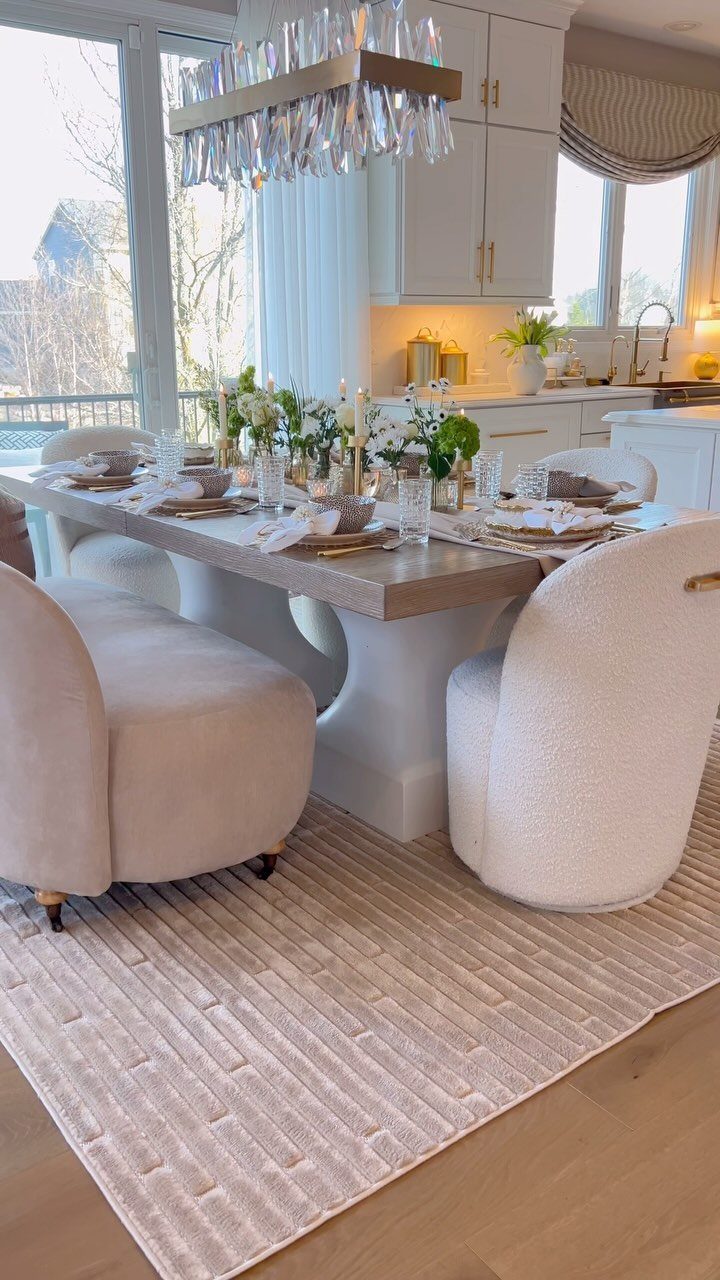
Fresh flowers in small vases give you a centerpiece that feels alive without blocking sightlines across the table.
White blooms keep the look clean and work with any color scheme, and grouping several small arrangements instead of one tall vase means guests can actually see each other.
Roses, hydrangeas and tulips all hold up well on a table. Change the water every other day and trim the stems at an angle to keep cut flowers looking good.
4. Edible Centerpieces
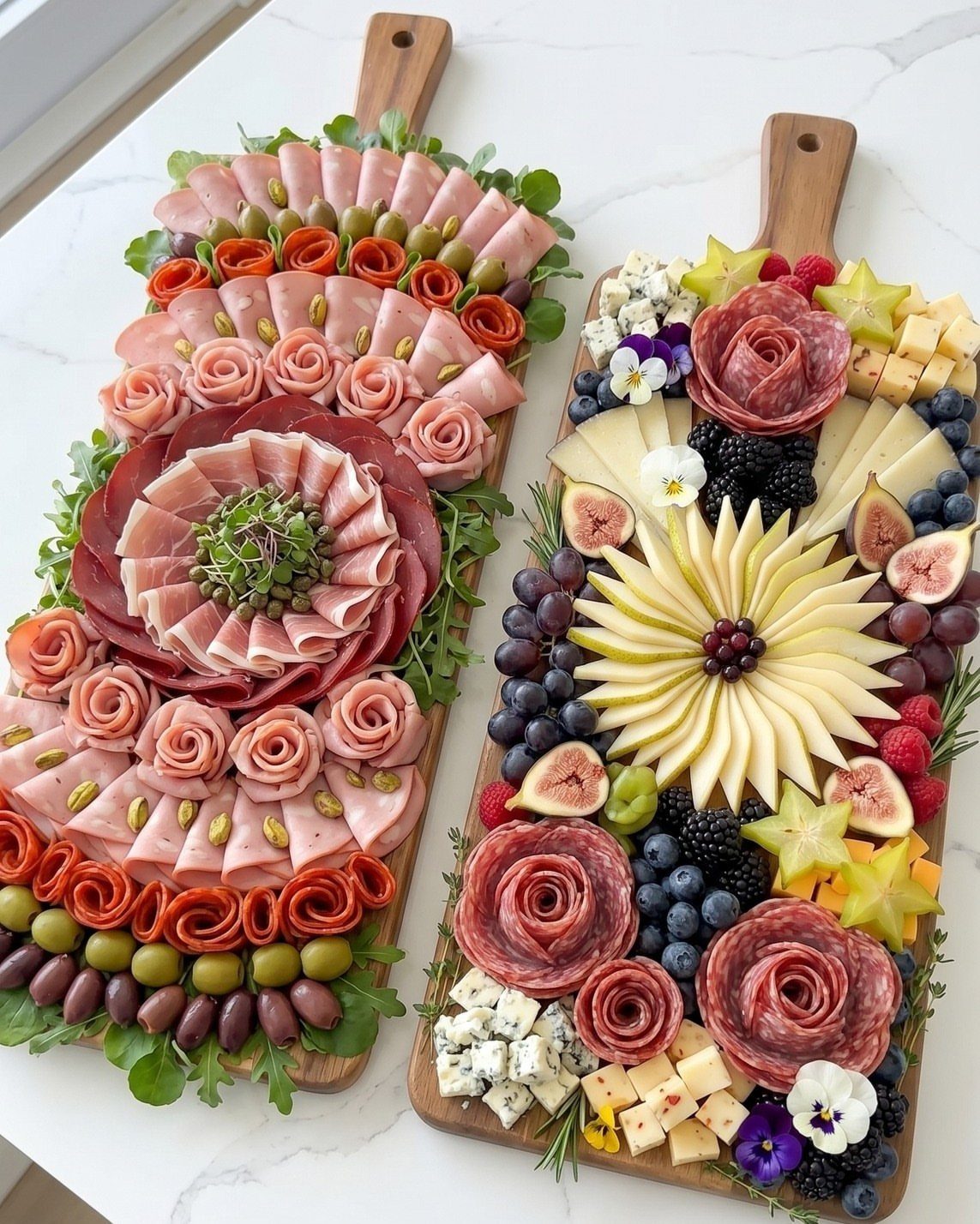
Food arranged as decor does double duty: it fills the center of the table and gives guests something to pick at before the meal starts.
Charcuterie boards with meats and cheeses shaped into flowers or arranged in layers make the setup feel planned without requiring centerpieces you have to move later.
Use a wood board as the base and build outward from the center with folded salami, rolled prosciutto and cheese cut into wedges. Fill gaps with grapes, nuts and edible flowers.
5. Candle Arrangements
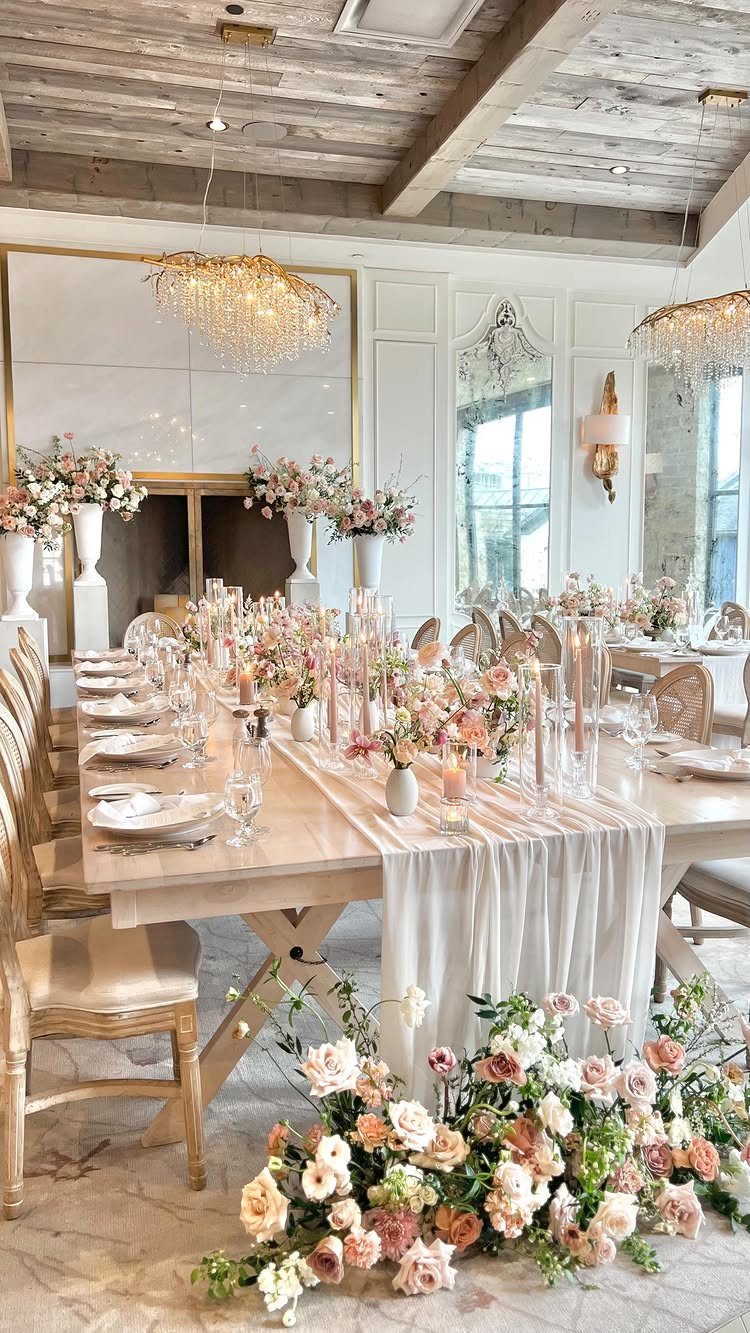
Candles in glass cylinders or holders add height and light without taking up much table space, and the glass keeps flames protected if anyone reaches across the table.
Line them down the center alongside flowers or greenery, or group them at intervals if the table is long.
Pillar candles in clear glass work for most formal settings, and unscented candles avoid competing with food. Taper candles in candlesticks add more height but need more clearance above the table.
6. Sculptural Objects
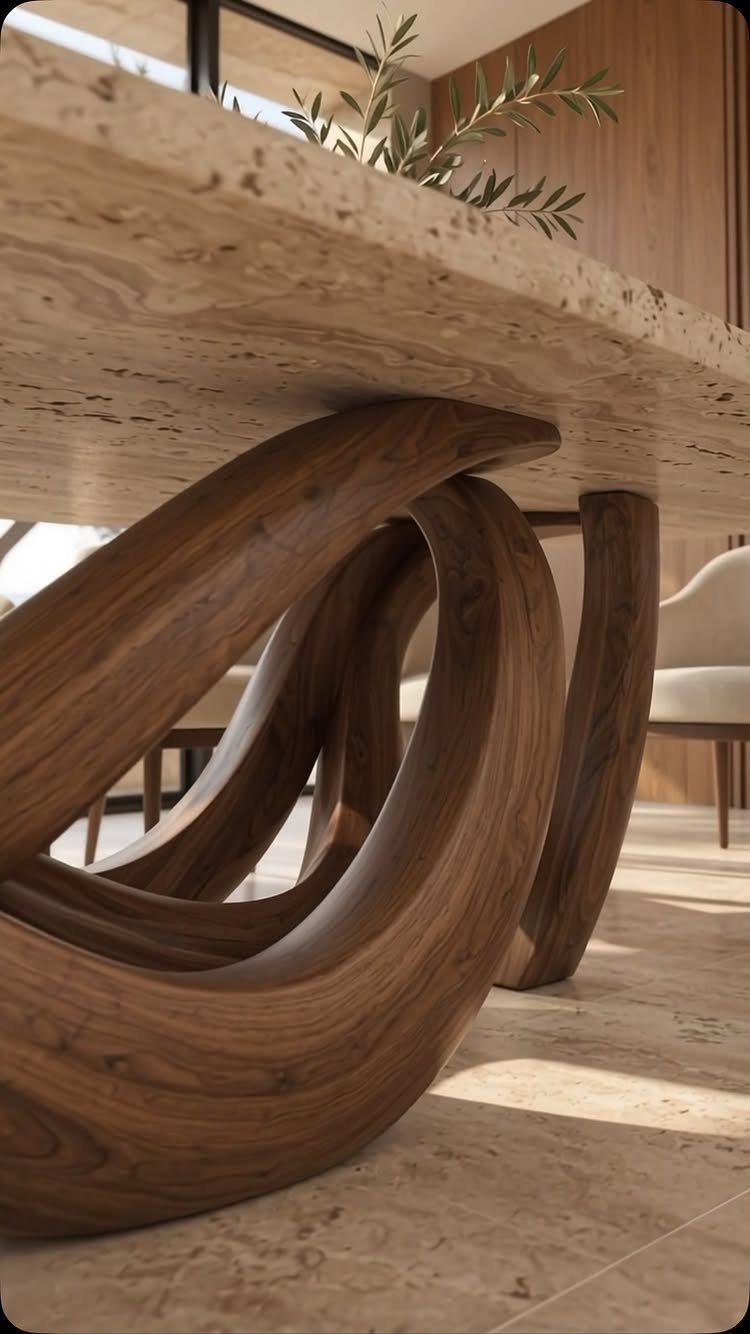
A sculptural table base turns the table itself into part of the decor, so you don’t need to fill the center with objects.
Curved wood or abstract metal bases stand out most when the tabletop is simple, stone or light wood rather than heavy carving or dark stain.
This approach works best if you already have a table with a distinctive base or you’re choosing a new one. If not, sculptural vases or bowls on top of the table give you a similar effect without replacing furniture.
Importance of Centerpieces
Centerpieces draw the eye to the center of the table and set the tone before anyone sits down. A well-chosen arrangement becomes a conversation starter, which matters more at formal gatherings where guests may not know each other well.
The right centerpiece balances the scale of the room and the table, so a long table gets a longer arrangement or several smaller ones rather than a single piece that looks lost in the middle.
That balance keeps the table from feeling empty or crowded.
What you choose also signals the occasion.
Sand and seashells say beach theme, while tall taper candles and white flowers read formal. Personal or cultural touches make the table feel less generic, and they give guests something specific to notice.
A good centerpiece can be as simple as one bowl or a small arrangement.
Lighting for Ambiance
Lighting changes the mood faster than anything else on the table. Warm light makes a space feel cozy and encourages people to linger, while bright or cool light signals focus and keeps the energy up.
A chandelier or pendant fixture gives you light and a visual anchor, and it should feel like it belongs with the rest of the space.
Candle chandeliers combine overhead structure with the soft glow of real flames, which suits intimate dinners and special occasions.
Wall sconces add softer light around the edges of the room, and a dimmer gives you control over brightness from dinner to dessert.
LED strips under the table edge create a soft, diffused glow that feels contemporary and luxurious. The indirect light adds depth without competing with centerpieces or candles.